
Projects
Highlights
Project
/ October 13, 2026
Funder
This project addresses water injustices faced by marginalized communities in the Mekong Region through the co-creation of knowledge. By connecting local experiences with policy dialogue, it promotes more inclusive and equitable water governance.
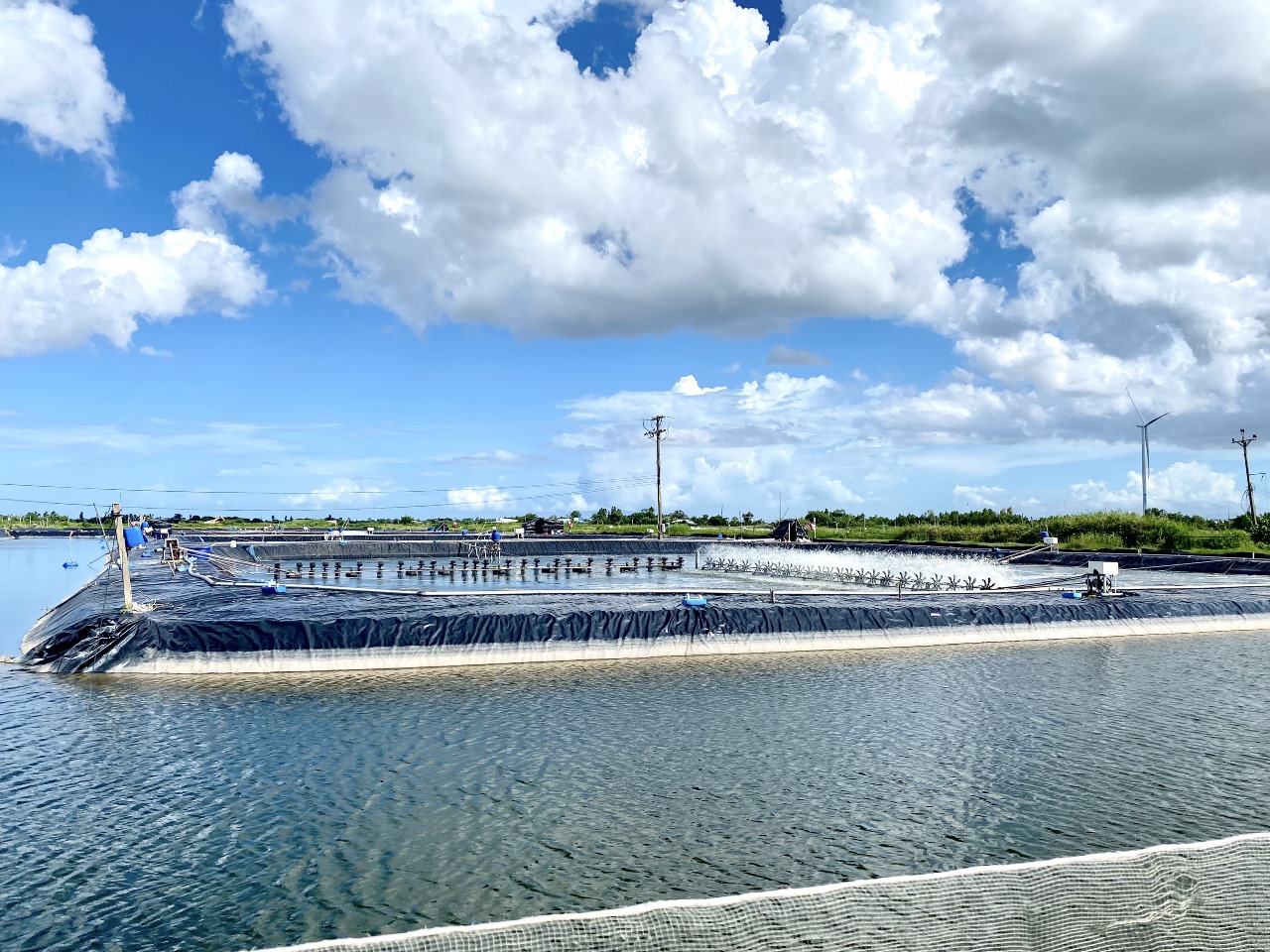
This project promotes ecosystem-based adaptation (EbA) to strengthen sustainable groundwater management in the transboundary Cambodia–Viet Nam Mekong Delta Aquifer. It supports science-based planning, stakeholder engagement, and policy integration to enhance groundwater security and community resilience.
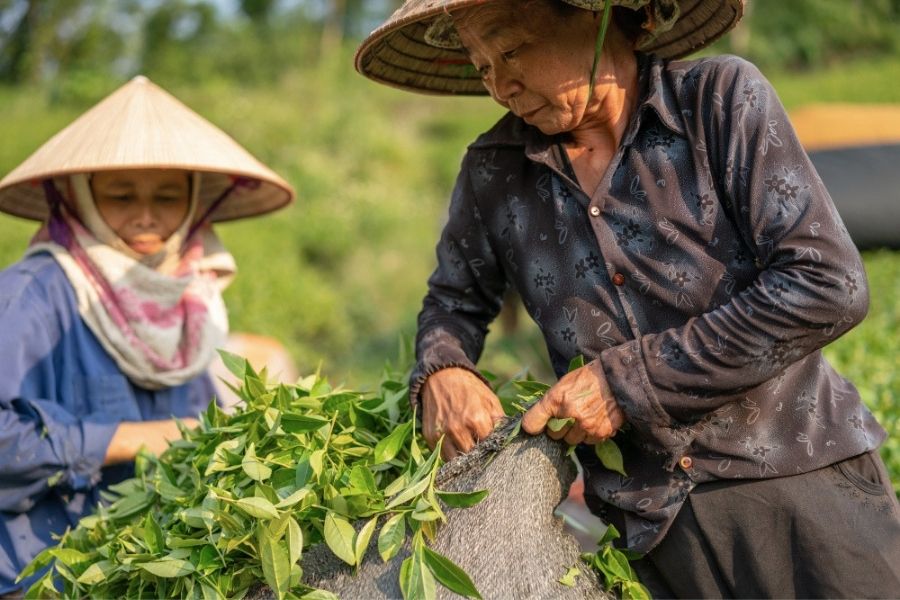
This project strengthens women’s leadership in river governance through knowledge co-creation. By working with communities in Thailand and Myanmar, it supports inclusive water governance and more resilient livelihoods across the Mekong region.
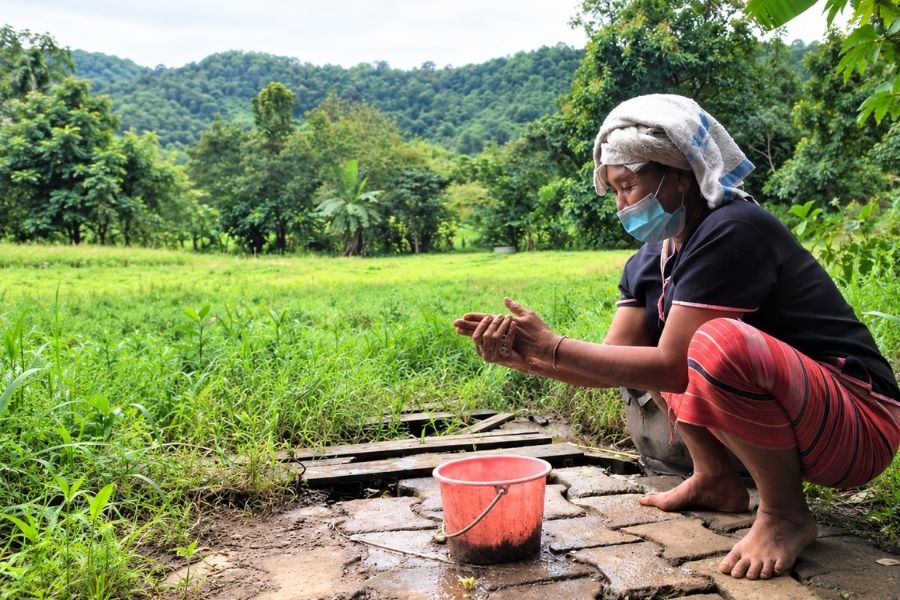
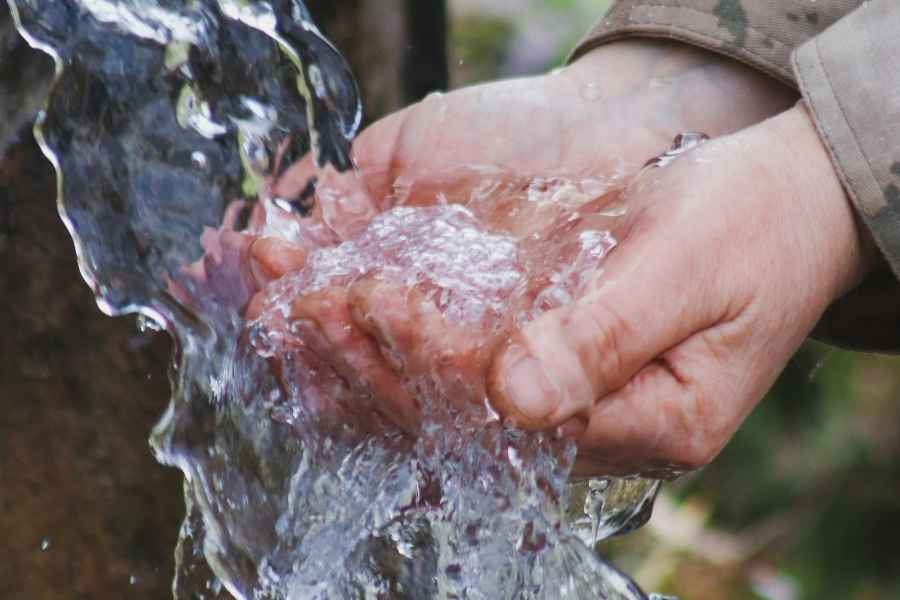
This project explores how the COVID-19 crisis affected access to clean water for drinking and hygiene among vulnerable communities in the Mekong Region. By listening to marginalized voices, it identifies practical lessons to strengthen water security and resilience during future crises.
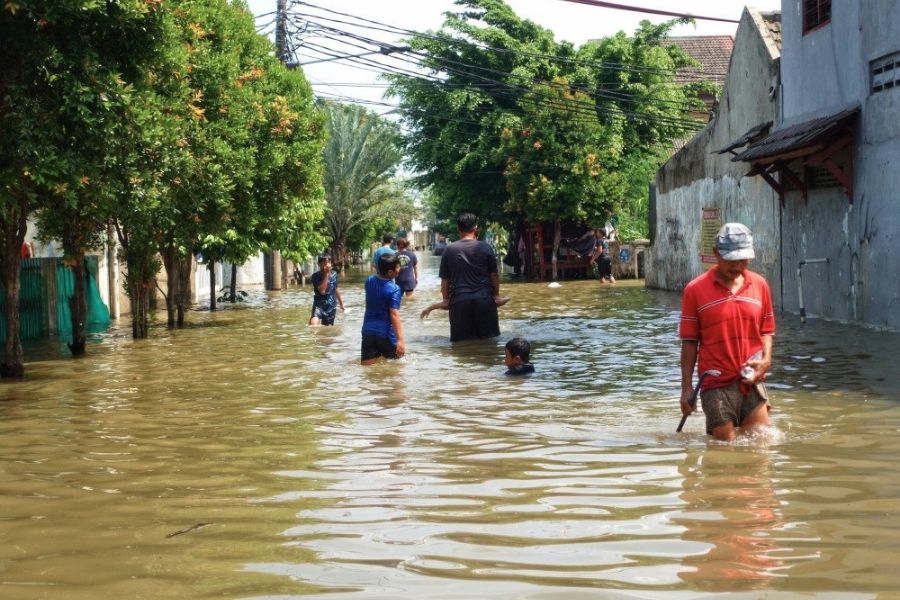
This project develops and tests a participatory flood risk management model in Ban Phai Municipality, Thailand, strengthening community preparedness, early warning systems and collaboration with local authorities to reduce future flood risks.
SUMERNET PLUS strengthens research partnerships, knowledge co-creation and policy engagement to advance inclusive, equitable and climate-resilient development across the Mekong Region, connecting researchers, policymakers and local communities.
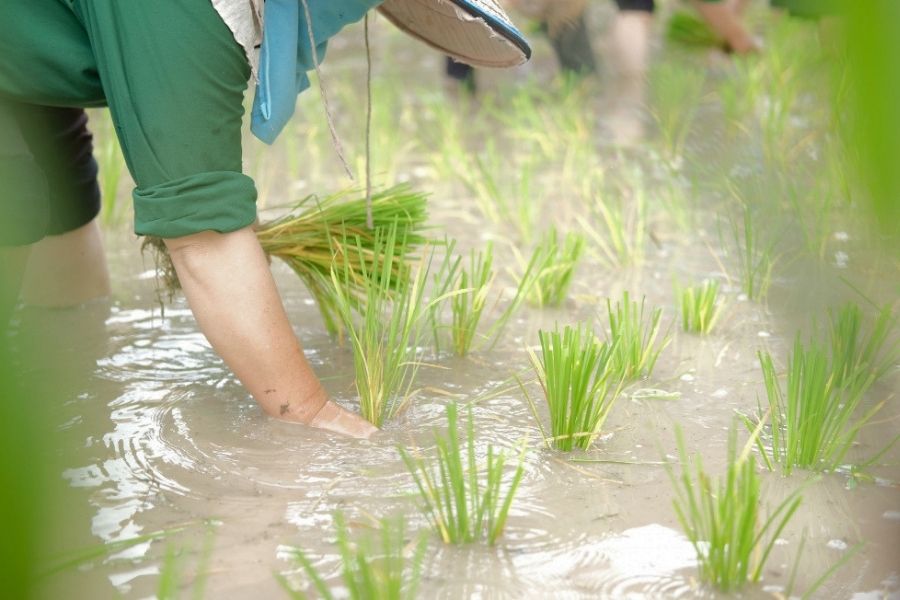
This project examines the social and environmental impacts of intensive rice farming and pesticide use on water quality in An Giang, Vietnam, and Chiang Rai, Thailand, aiming to support sustainable agricultural practices and reduce water pollution.
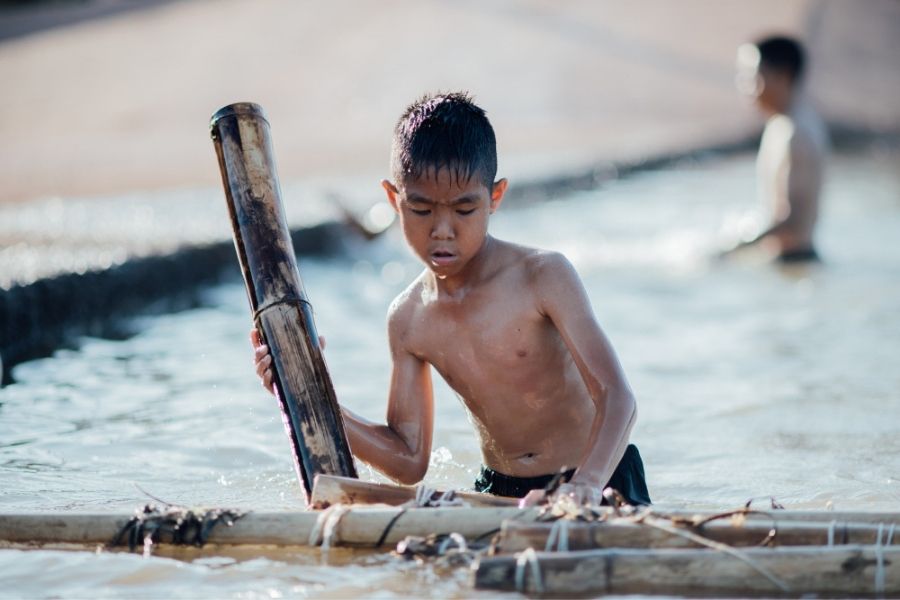
This project assesses groundwater sustainability in Thailand’s Tak Special Economic Zone using the Groundwater Sustainability Infrastructure Index (GSII), identifying governance gaps and policy improvements to support equitable and sustainable groundwater management.
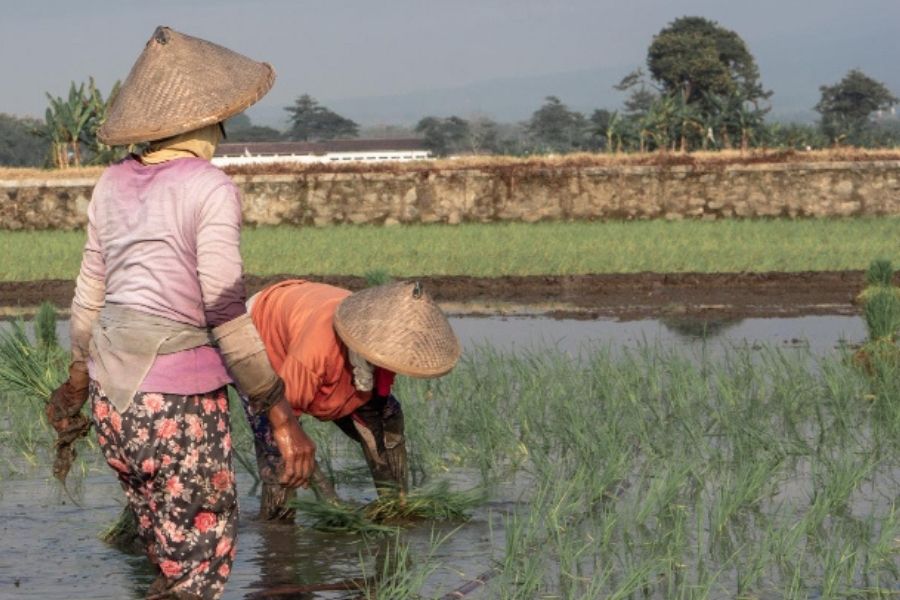
This project tests water-saving irrigation techniques in rice farming among marginalized Khmer communities in Vietnam’s Upper Mekong Delta, aiming to reduce water insecurity, improve agricultural livelihoods and support climate-resilient water management.
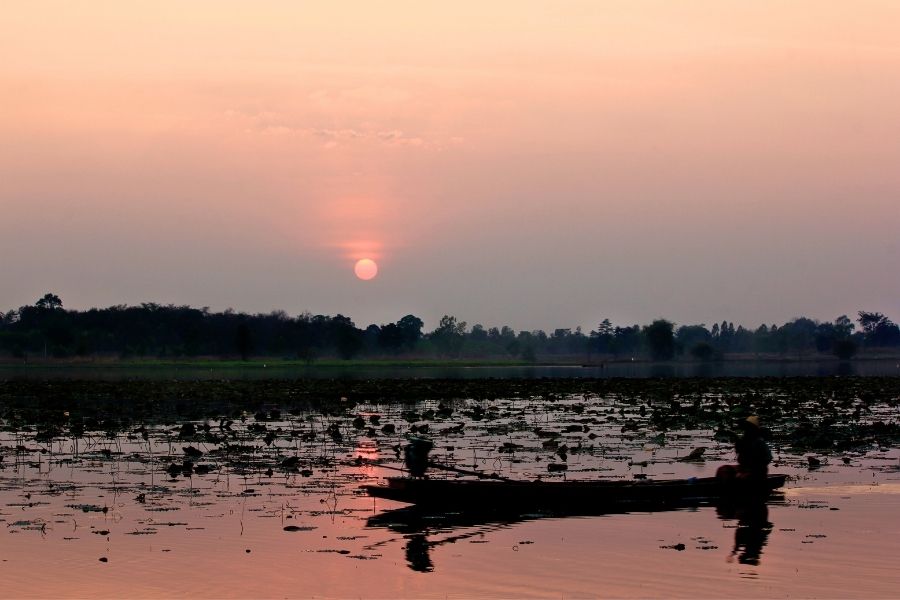
This project assesses groundwater governance in rapidly urbanizing areas of Cambodia, Lao PDR, Thailand and Vietnam, examining groundwater availability, competing demands and policy gaps to promote sustainable and equitable water management.
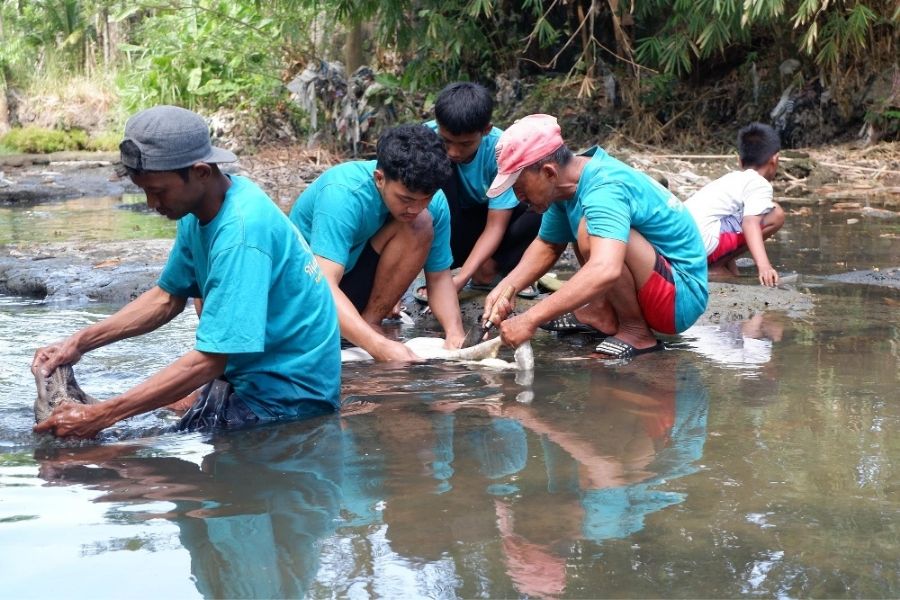
This project assesses domestic water accessibility for vulnerable communities in Lao PDR, Thailand and Vietnam, focusing on water availability, quality and consumption to develop policies and strategies that improve equitable water access and security.
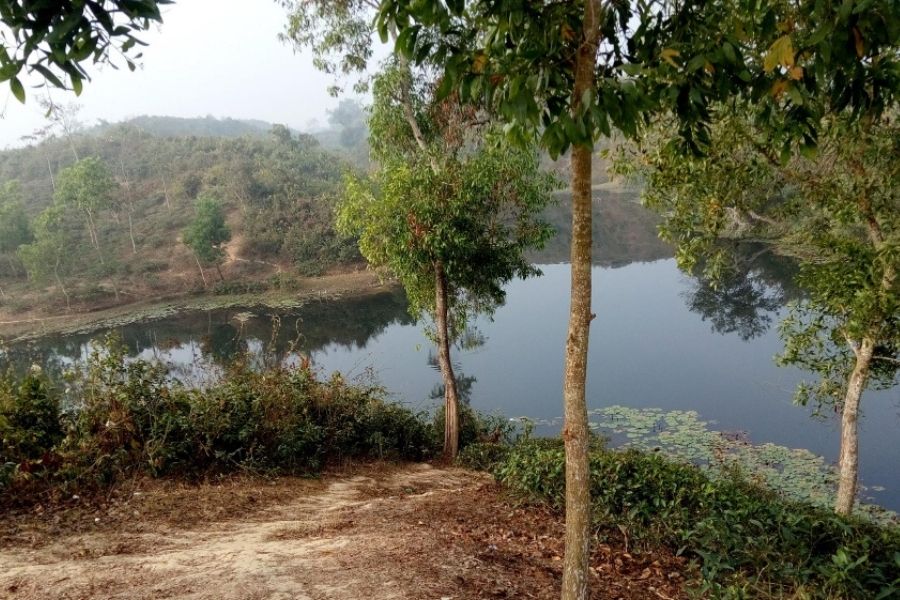
This project investigates barriers to sustainable groundwater use among marginalized rural communities in Lao PDR and Cambodia, focusing on agricultural livelihoods, equitable water access and policies to improve water security and reduce poverty.
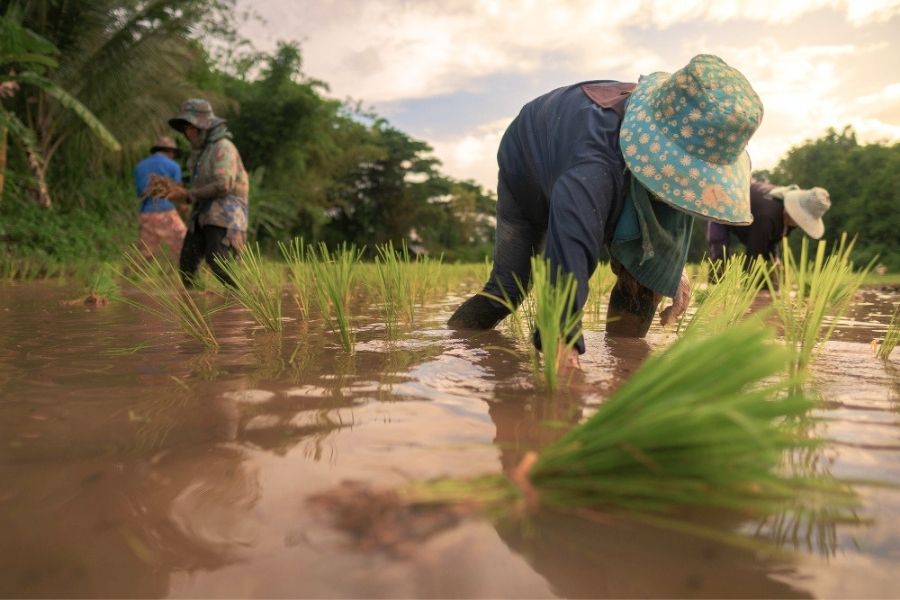
This project examines climate vulnerability and adaptation challenges faced by agriculture and aquaculture communities in Vietnam and Myanmar, focusing on flooding, saltwater intrusion and sustainable water management to strengthen livelihoods and resilience.
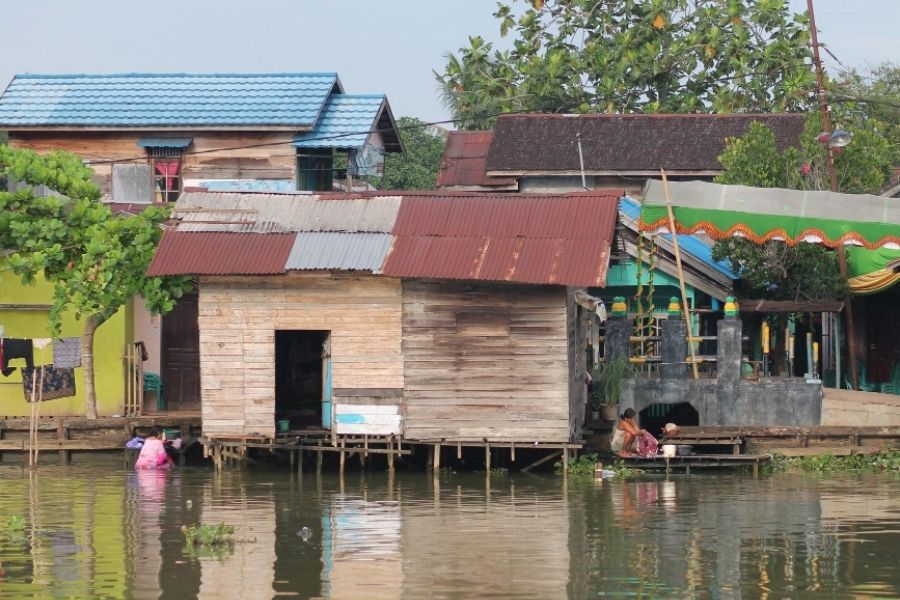
This project investigates atmospheric pollutant deposition and its impacts on river water quality and ecosystems in Thailand, Cambodia and Vietnam, providing scientific evidence to support air pollution reduction and water security policies.
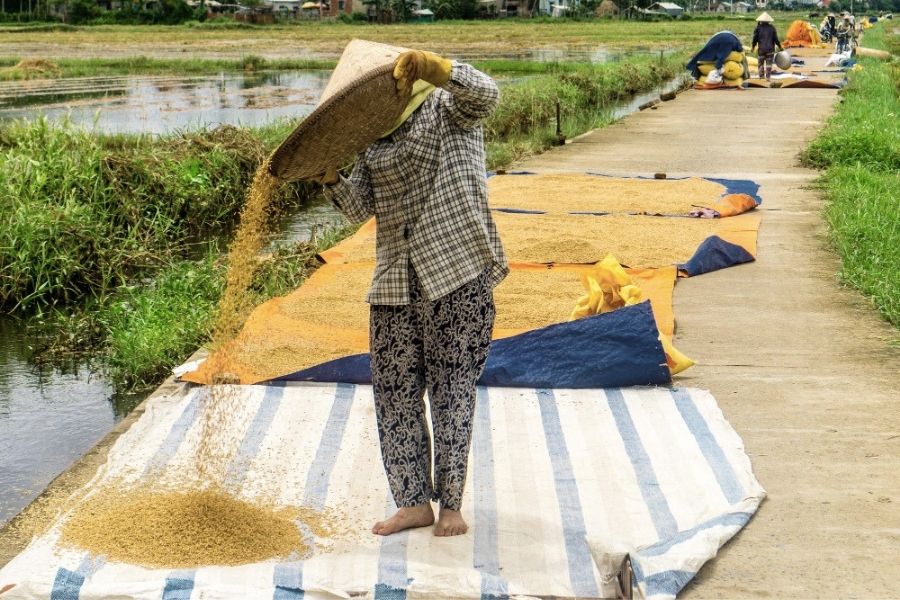
This project assesses current and future water scarcity in rice production in Cambodia and Vietnam, examining impacts on farming households and identifying policy options to improve water security and sustainable agriculture in the Lower Mekong Basin.
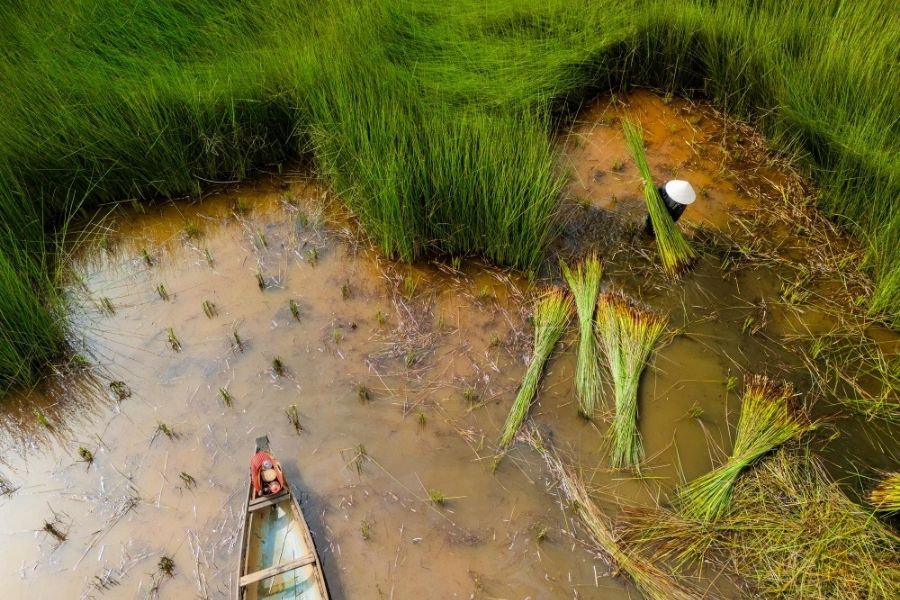
This project examines how wetlands support water security in the Mekong Region by assessing water availability, water quality and ecosystem services, and their importance to rural livelihoods under environmental change.
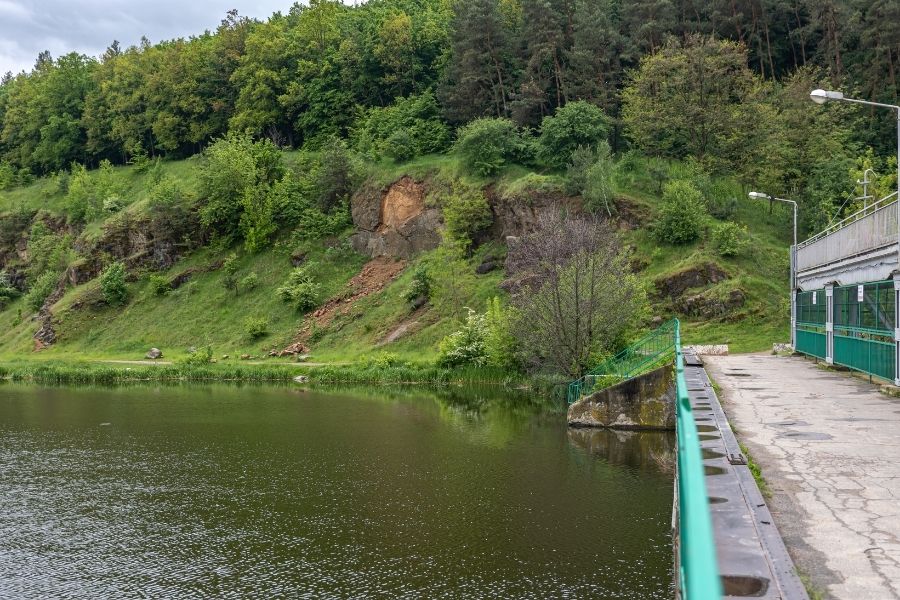
This project examines the environmental and social impacts of small-scale hydropower dams in Vietnam, Lao PDR and Cambodia, promoting collaborative water allocation and management among dam operators, local communities and governments to address water insecurity.
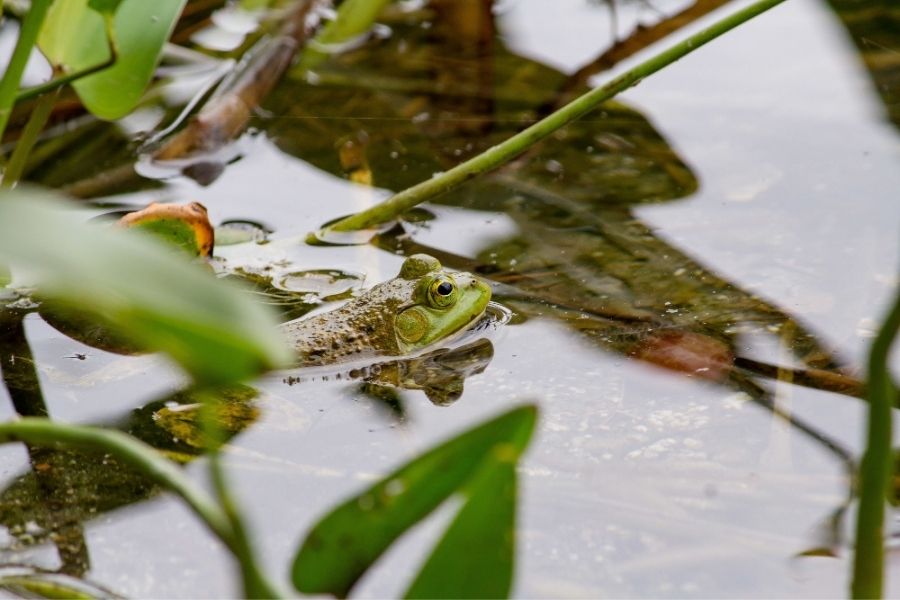
This project examines water insecurity in upland areas of Lao PDR and Cambodia, focusing on how erratic rainfall and drought affect aquatic habitats, food security and the reproduction of aquatic organisms essential to local communities.
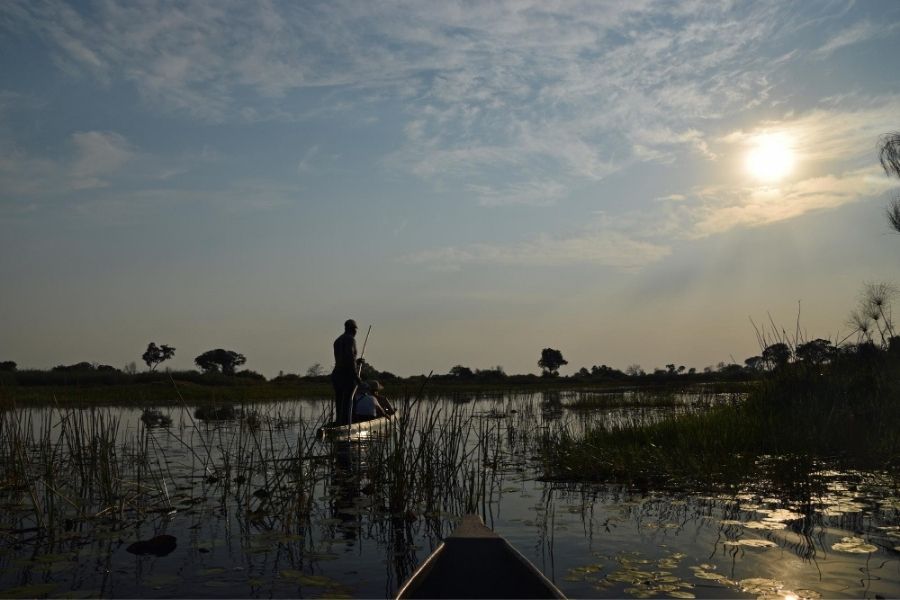
This project explores indigenous communities’ meanings and values of water along the Salween River in Myanmar and Thailand, examining their implications for transboundary water governance, community rights and water security policies.
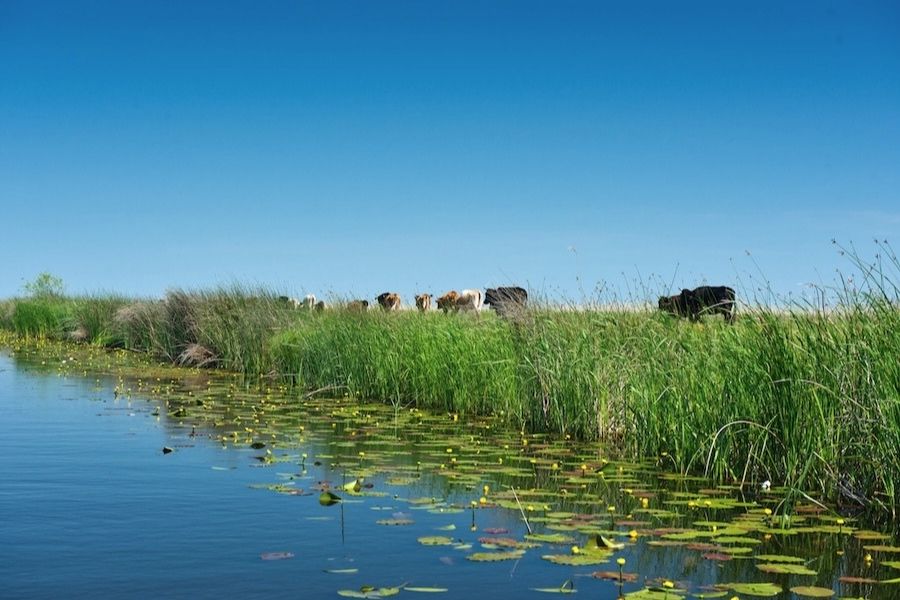
This project examines barriers to women’s and marginalized groups’ participation in wetlands management decisions in the transboundary Mekong Delta, aiming to promote inclusive participation and socially equitable water governance.
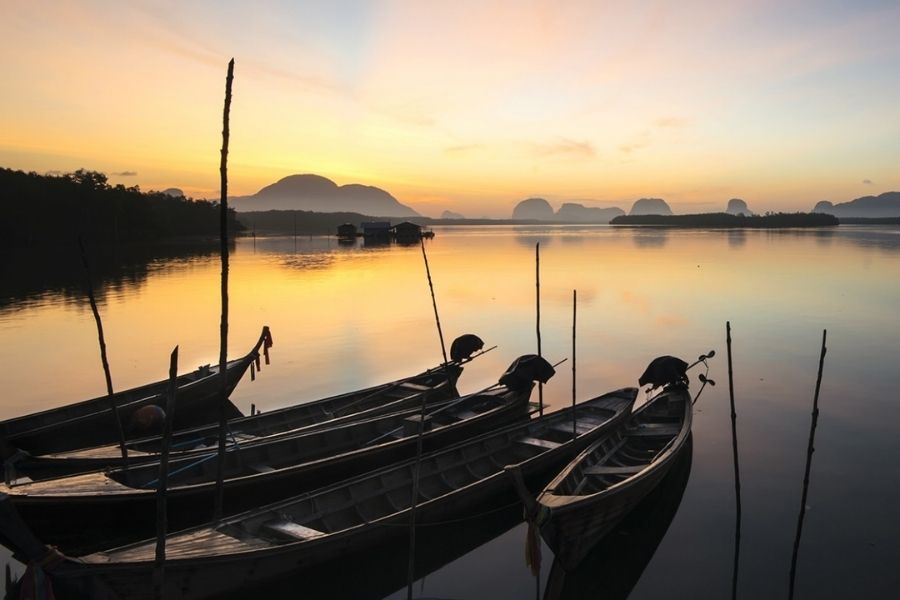
This project promotes rights-based approaches to hydropower development in the Mekong Region, focusing on community participation, human rights and equitable resource governance to support inclusive and sustainable development.
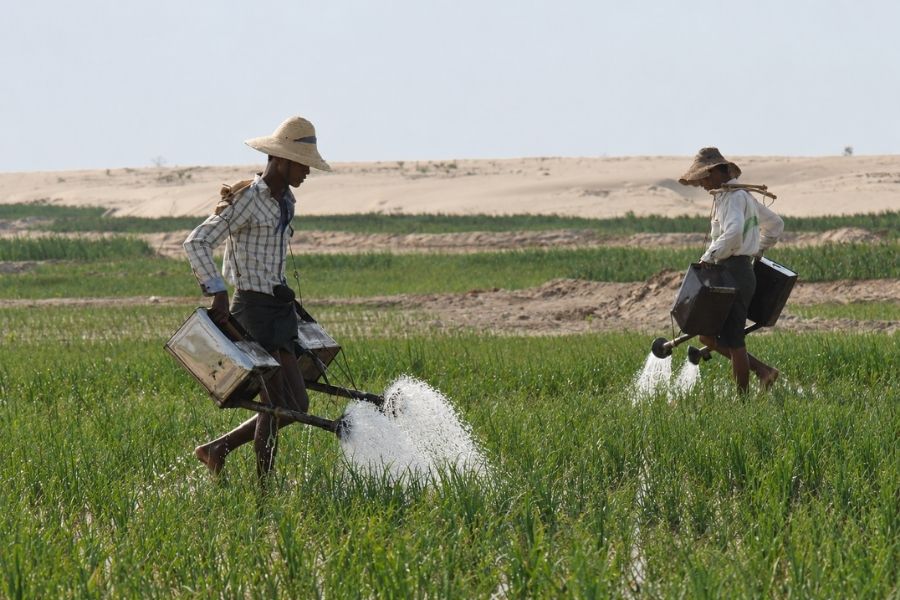
SUMERNET 4 All promotes collaborative research and policy engagement to reduce water insecurity in the Mekong Region, focusing on equitable water access, climate resilience, gender equality and socially inclusive development.
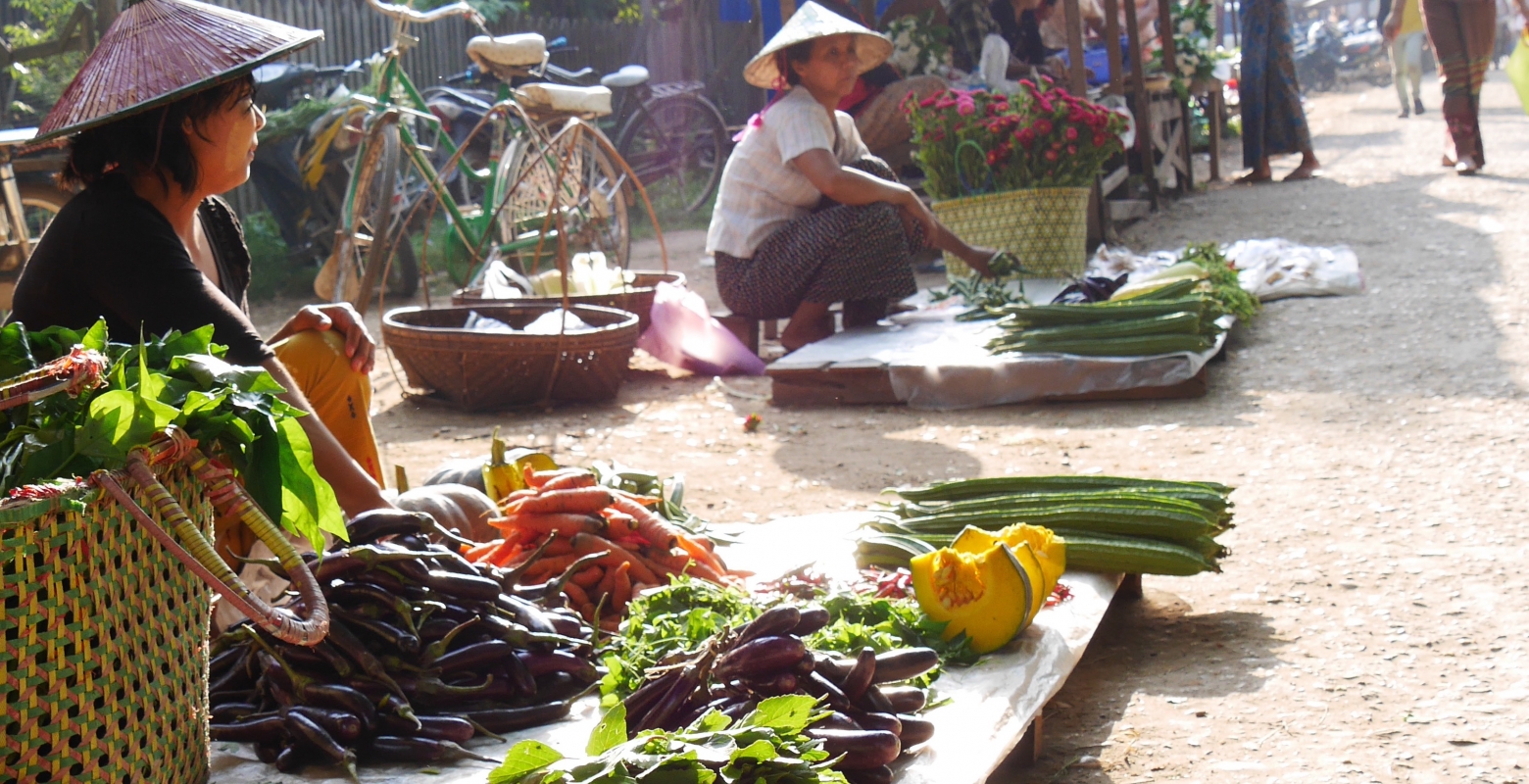
This project strengthens the capacity of civil society and government agencies to integrate biodiversity and ecosystem service values into development planning, supporting sustainable natural resource management and informed policy decisions.
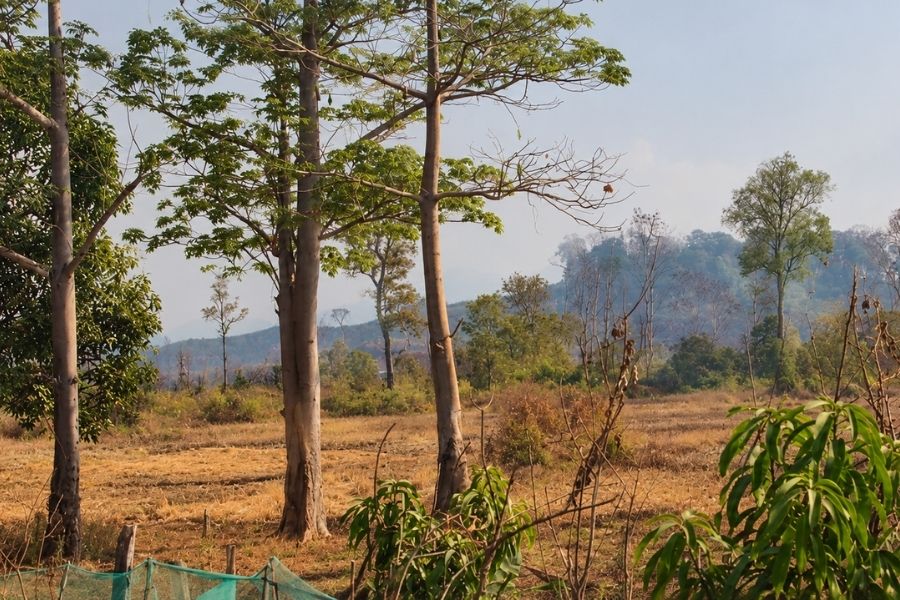
This project examines the gendered impacts of cross-border investments in rubber plantations in Lao PDR, Myanmar and Cambodia, focusing on land access, rural livelihoods and inequalities affecting women and men in local communities.

