
Knowing Water: The Salween River’s Multiple Meanings and Multi-Scaled Policy Implications for Water Security
This project explores indigenous communities’ meanings and values of water along the Salween River in Myanmar and Thailand, examining their implications for transboundary water governance, community rights and water security policies.
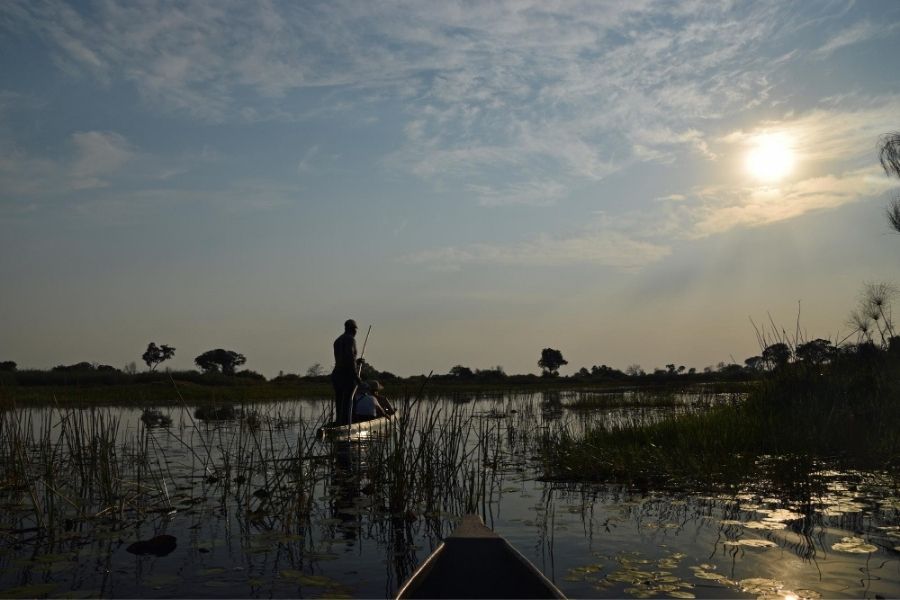
Knowing water salween river
Abstract
This research will deepen understanding of the multiple meanings of water amongst indigenous communities on the Salween River, and examine its implications for water policies at the local, sub-national, national and transboundary level. The research is proposed to be conducted over 24 months. Our research is at three sites connected through their relationship with the Salween River and its transboundary governance: Daw La Lake that directly connects to the Salween River in Karen State, Myanmar; The Kunhing (Thousand Islands) complex on the Nam Pang River, a major tributary of the Salween River in Shan State, Myanmar; and Sob Moei village, Mae Sam Lab village and Tha Ta Fang village in Mae Hong Son province, Thailand
Overall, the research will utilize transdisciplinary research methods which bring together academic researchers, civil society, and community leaders to co-produce research. For the case study research, broadly we will adopt an ethnographic approach. The intention is to reveal the multiple meanings and values of water through observation of customary practices and regulations, and how they are linked or connected to local water-based ecosystems.
The overarching expected outcome of the project is to further the recognition of ethnic community meanings and values of water and related resources in to national policy and law in Myanmar and Thailand through empowering community leaders, building understanding amongst policy makers, and generating empirical evidence and conceptual insights that can help inform these policies and laws. We also intend our work to contribute towards Myanmar’s peace process.

