
Co-Creation of Knowledges as a Process to Respond to Water Injustices of Marginalized Communities in Mekong Region Water Politics
This project addresses water injustices faced by marginalized communities in the Mekong Region through the co-creation of knowledge. By connecting local experiences with policy dialogue, it promotes more inclusive and equitable water governance.
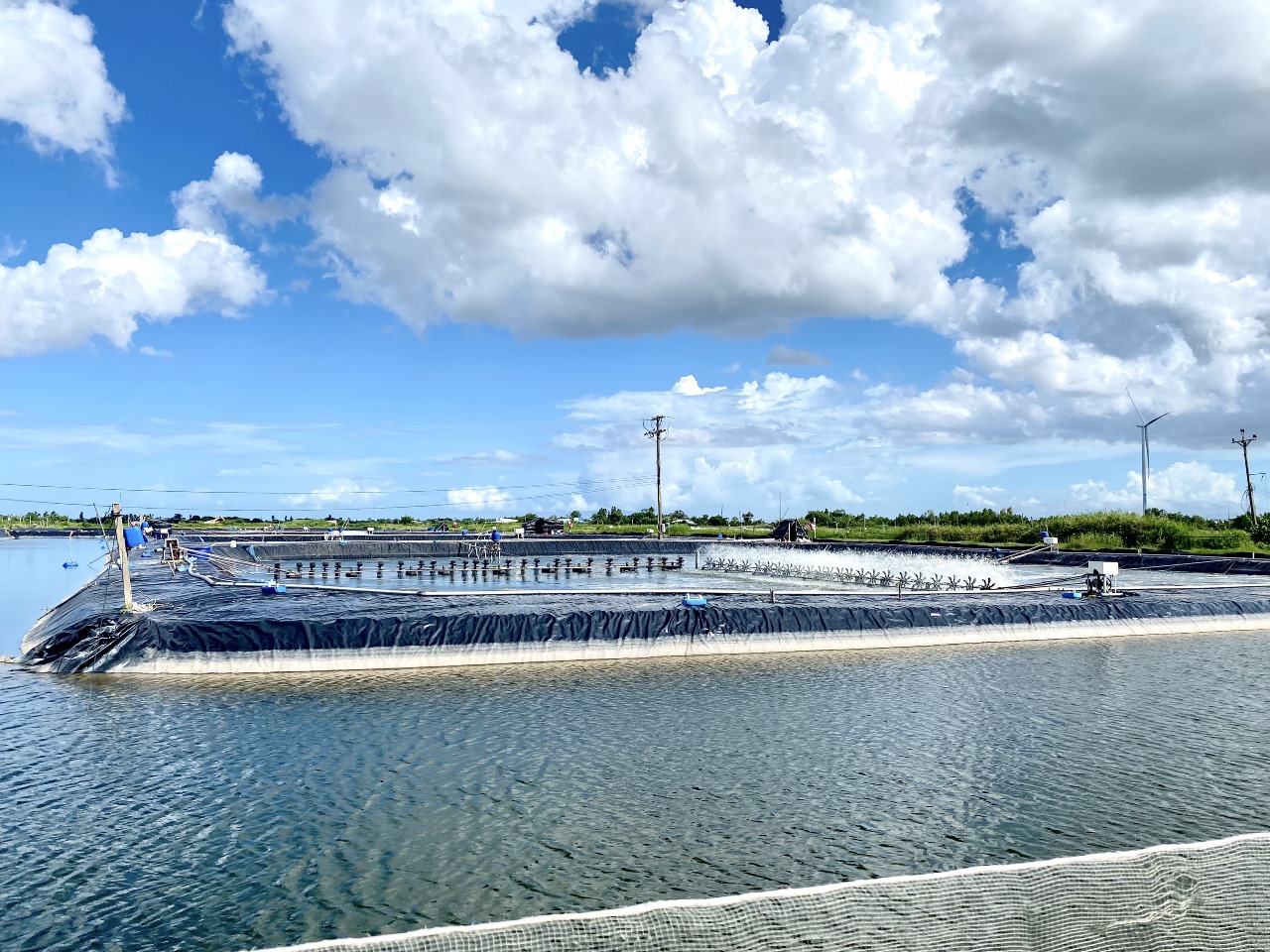
The current Covid-19 pandemic and the widening deteriorating political situation across the Greater Mekong Region (and most pressingly in Myanmar) strikingly show how marginalized communities are the ones who are disproportionately hit in their everyday lives, especially those facing multiple intersectional disadvantages. While everyone in the region is affected by these crises, they do not affect everyone equally, raising questions on how our hegemonic policy-making does and can address these challenges adequately (or not).
To address this, our proposed projects takes water as a starting point to bring together real experienced injustices on the ground (i.e. unequal access to water; uneven groundwater exploitation and surface water pollution), in two localities in Myanmar and Việt Nam, with calls for structural change to bring about genuine water justice across the Mekong Region.
Importantly, we engage the often depoliticizing, hegemonic water policy-making and discourse across spatial articulations to question to what extent its tools, methods and conceptual approaches based in universal values are capable (or not) of responding to the localized differences in people’s lived experiences. Thereby, rather than addressing these contradictions with top-down participatory approaches, our project is grounded in a process of co-creation of knowledges, which will provide evidence to inform policy-makers in both countries and the wider Mekong region with insights from marginalized communities to forge a water democracy-in-the-making from below and to build long-term alliances.
Main research outputs will include short briefs, films and documentaries representing the voices of marginalized communities in Myanmar and Việt Nam; at least one manuscript to be submitted to an academic journal that brings these voices together with insights from national & regional policy analysis and to contribute to ongoing debates connecting insights from political ecology of water, water justice and intersectional approaches; as well as policy recommendation briefs addressing national government bodies and regional institutions from the ground up.
Dr. Johanna M. Götz
University of Passau
[email protected]
Related Stories
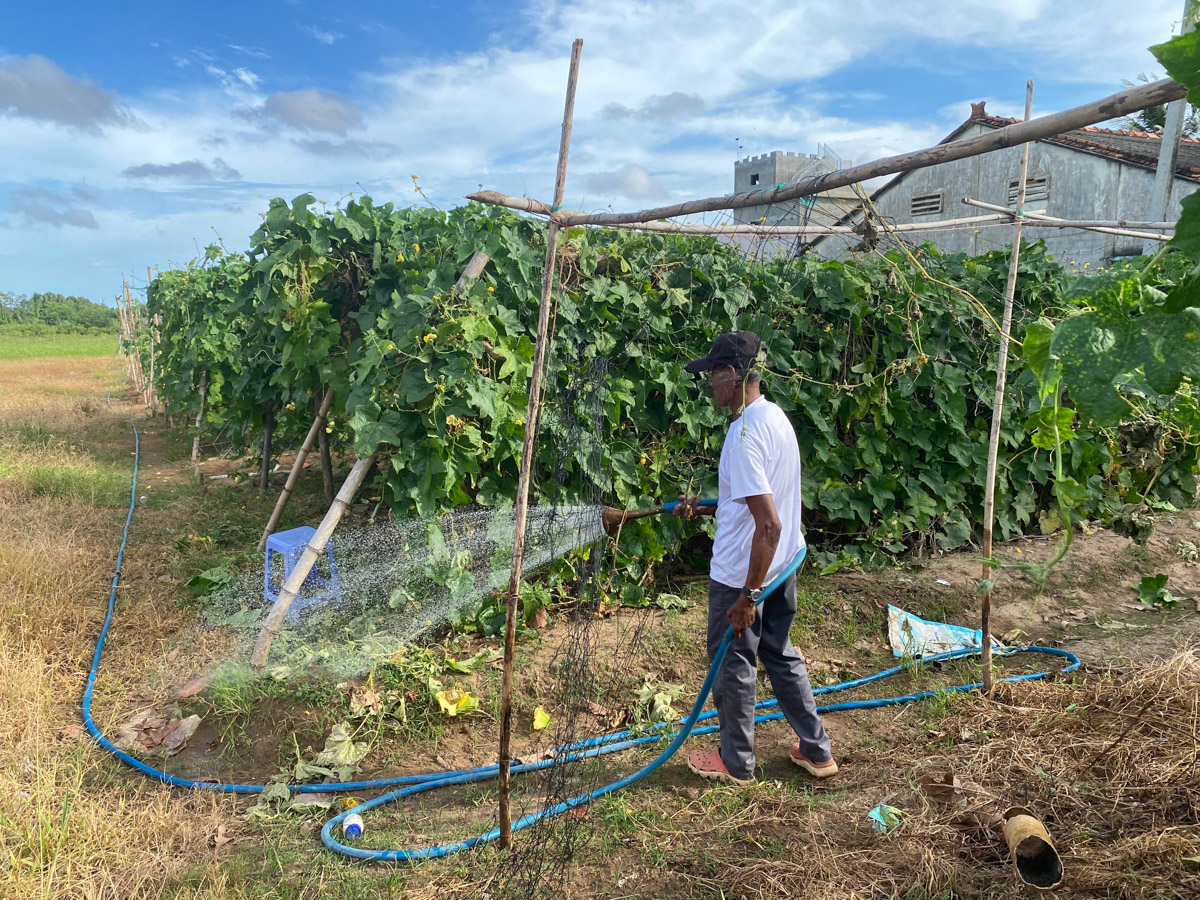
This piece provides insights into localized knowledge gained during a 5-day on-site Burma/Myanmar-Vietnam co-learning visit to Sóc Trăng province, Việt Nam.
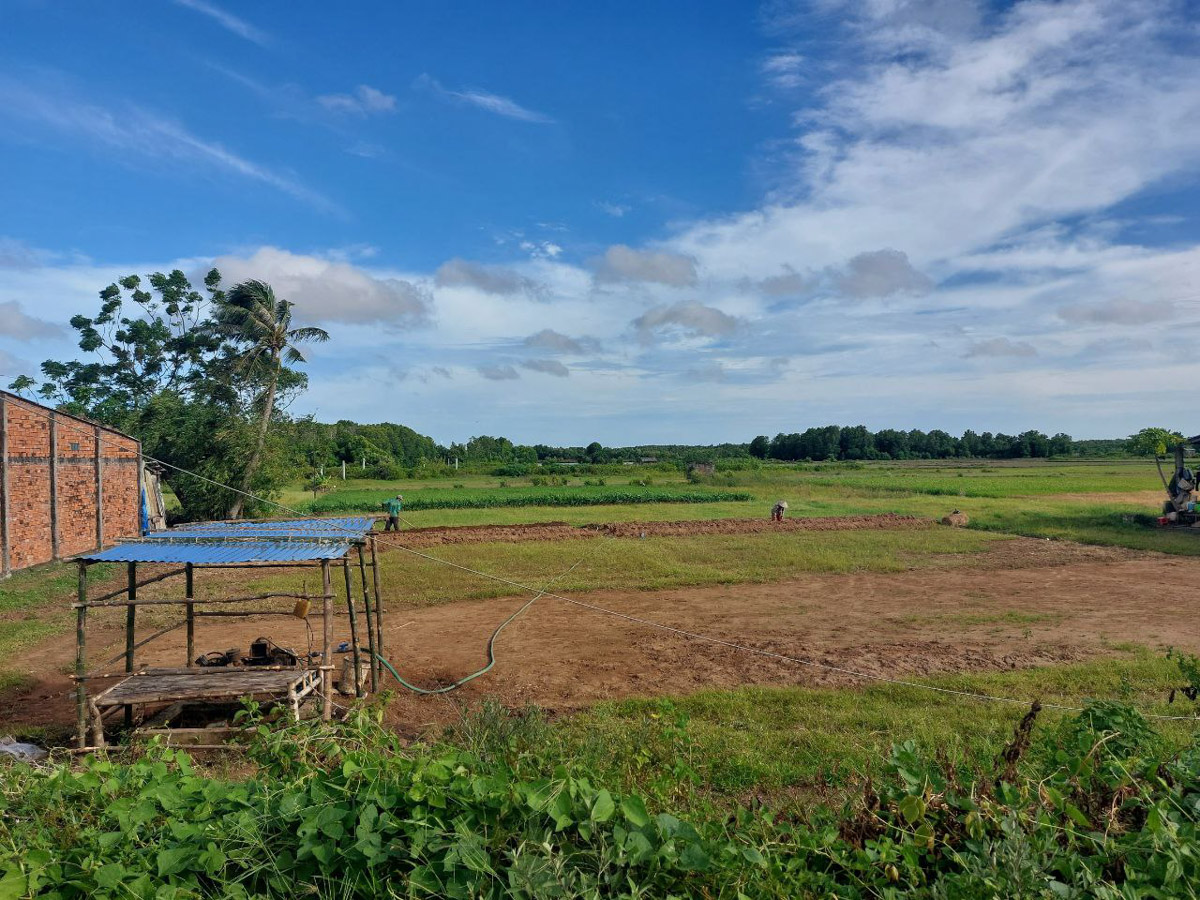
This piece provides insights into how knowledge is co-created that can help address some of these complexities.

