
Working Together for
a Sustainable Mekong
SUMERNET connects researchers, policymakers, and partners to generate knowledge, strengthen collaboration, and advance sustainable development across the Mekong Region and beyond.
» Sustainable Mekong Research Network
The Sustainable Mekong Research Network (SUMERNET) is an initiative for research and policy engagement bringing together research partners working on sustainable development in the countries of the Mekong Region: Cambodia, China, Lao PDR, Myanmar, Thailand and Vietnam.
SUMERNET is a regional network made up of partners from the Mekong that are committed to the sustainable development, poverty alleviation, gender and social equality and the incorporation of a rights-based approach in natural resource management. During this phase of SUMERNET, the network will engage with other Southeast Asian countries beyond the Mekong Region to promote greater regional collaboration and knowledge exchange.
Launched in 2005, with continued support from the Government of Sweden through the Swedish International Development Cooperation Agency (Sida) SUMERNET supports policy-relevant research and outreach activities to inform and engage decision-makers, planners and stakeholders. Within this context, it pursues an evolving agenda in response to questions and policy issues that arise in the region. SUMERNET Phase 1 covered 2005–2009; Phase 2, 2010–2013; Phase 3, 2014–April 2018; and the present phase 2019–2028.
SUMERNET’s research themes in the past have included ecosystem services for local development, transboundary issues, climate compatible development, sustainable regional economic integration livelihoods and poverty, and sustainable urbanization. Embedded within these thematic areas it concepts of gender equality and mainstreaming.
A key component of SUMERNET’s work is to bridge science and policy. We do so by choosing research questions that are directly relevant to current policy debates, engaging decision-makers in all aspects of our activities, and building capacity for gender-responsive sustainable development through workshops and other activities. We also emphasize collaboration, networking, raising awareness on gender dimensions of sustainable development and knowledge-sharing, connecting partners in different countries through our projects and events, and we work to strengthen research capacity across the region.
» SUMERNET Governance
SUMERNET Network Member (SNM)
SUMERNET is a network consisting of members contributing to the progress of the network.
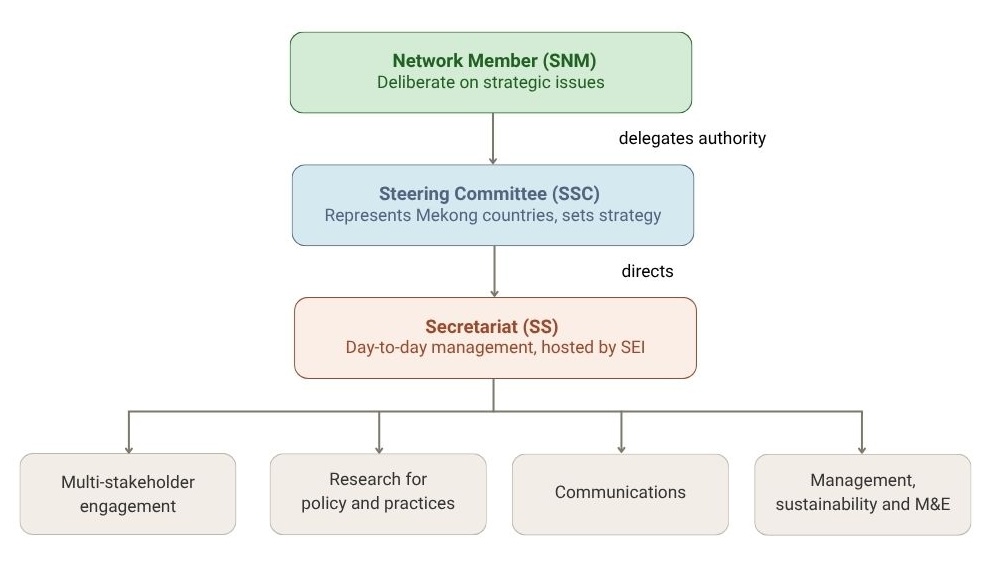
In SUMERNET 4 All, the programme aims to enhance the participation and influence of network members in the decision-making process within SUMERNET. The network is guided by SUMERNET Network Members (SNMs), who collectively deliberate on strategic issues that have implications for the whole network. The SNMs delegate their authority in taking strategic decisions to SUMERNET Steering Committee (SSC).
» Activities and Membership
With 70 institute members and a variety of strategies for implementation, SUMERNET undertakes a huge range of activities. Some are listed below – but get in touch if you have good ideas or other actions we can collaborate on:
- Initiate and implement cross-border collaborative research projects
- Apply the scientifically proven results and innovations in pilot areas
- Implement the activities related to proposal development and dissemination of research findings to the policy and wider public through small grants
- Build capacity through ongoing skills trainings, and investing resources to develop capacity of researchers in the region by incorporating mentoring support of research project teams
- Convene and support assessments of the state of the knowledge on policy issues in the region
- Raise awareness, build capacities and highlight the need for gender analysis of emerging environment and development trends in the region and subsequently create gender-responsive measures to mitigate adverse effects on socially vulnerable groups of women and men
- Convene and join panels at policy and research events across the region
- Publish comparative policy analyses on timely Mekong Region issues
- Support dissemination of research findings through books, peer-reviewed journals, policy briefs, and the media
- Facilitate coordination and networking for knowledge exchange and sharing, both within and outside of the SUMERNET network
- Monitor and evaluate SUMERNET programmes implementation and achievements, to ensure increased network capacity and contributions to independent discourse on regional sustainable development issues.
You can apply to be a SUMERNET network member if you have not registered as network member yet using this link: SUMERNET Member Registration.
Benefits of SUMERNET Membership
The benefits of SUMERNET membership include the following:
- Being part of a growing and vibrant research network in the Mekong Region.
- Opportunity to participate and contribute to regional and international events (e.g. workshop, meeting, forum, conference) sponsored by SUMERNET.
- Regular access to information on research funding and the opportunity to apply for SUMERNET and also other grants.
- Opportunity to provide the inputs and influence relevant strategy or plan of SUMERNET activities.
- Inclusion in SUMERNET mailing list.
- Eligibility to explore the opportunities to contribute to the programme in the role as the advisors if appropriate; and,
- Eligibility to apply, nominate and elect candidates to become members of the SUMERNET Steering Committee
» Steering Committee
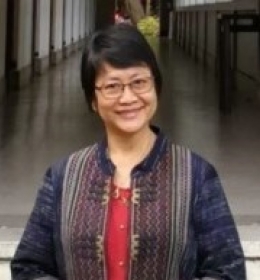
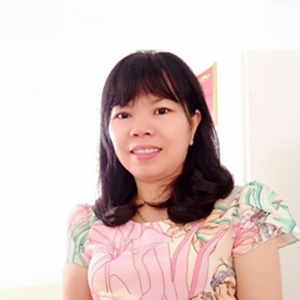
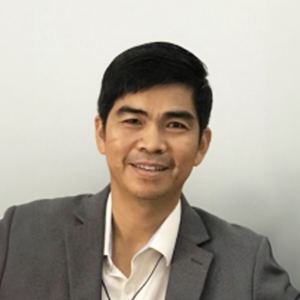
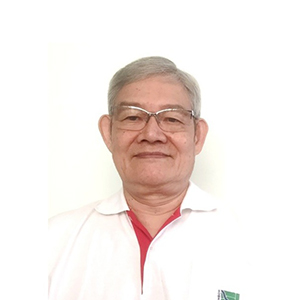
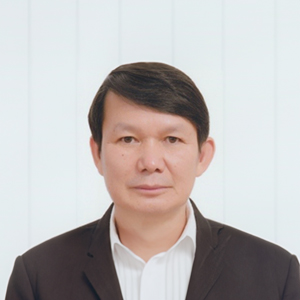
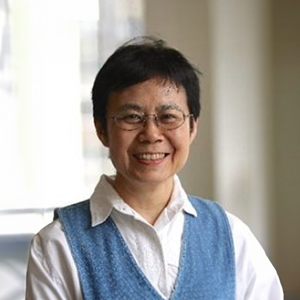
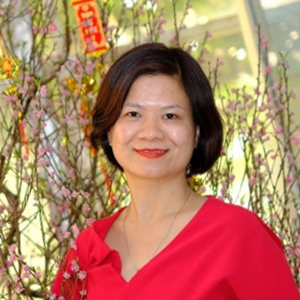
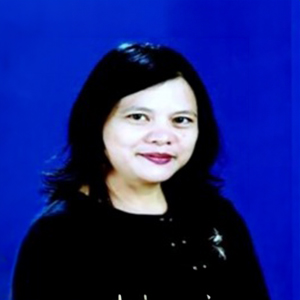
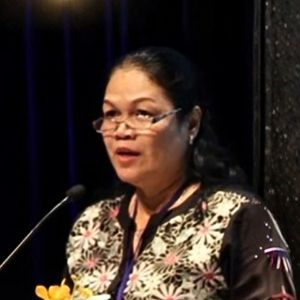
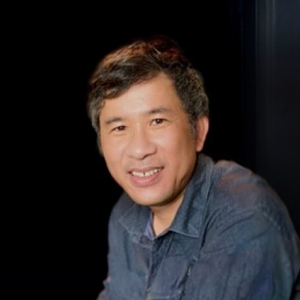
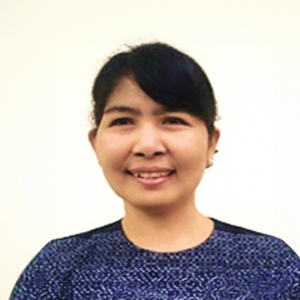
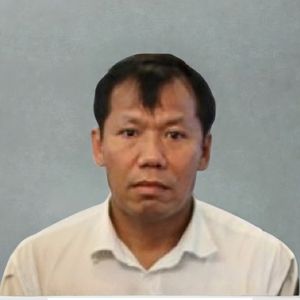
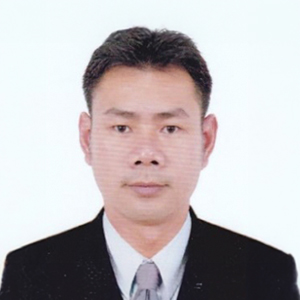
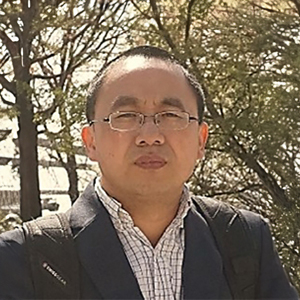
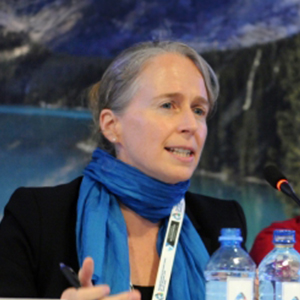
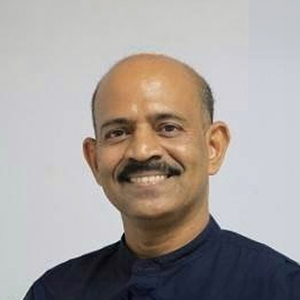
SSC membership is drawn from network members and all Mekong riparian countries will be represented within the SSC. The SSC provides independent scientific advice and strategic oversight of SUMERNET. The SSC focusses on program planning and prioritization, science quality and strategic advice, partnership and impact issues.

Former co-chair of the SUMERNET Steering Committee

Member of the SUMERNET Steering Committee

Member of the SUMERNET Steering Committee
Former member of the SUMERNET Steering Committee
-
Member of the SUMERNET Steering Committee
-
Former member of the SUMERNET Steering Committee
-
Researcher
-
Former member of the SUMERNET Steering Committee
-
Member of the SUMERNET Steering Committee
-
Member of the SUMERNET Steering Committee
-
Co-chair of the SUMERNET Steering Committee
-
Member of the SUMERNET Steering Committee
-
Former chair of the SUMERNET Steering committee
-
Former member of the SUMERNET Steering Committee
-
Former member of the SUMERNET Steering Committee
-
Former member of the SUMERNET Steering Committee
-
Member of the SUMERNET Steering Committee
-
Acting chair of the SUMERNET Steering Committee
-
Co-chair of the SUMERNET Steering Committee
-
Member of the SUMERNET Steering Committee



» Secretariat
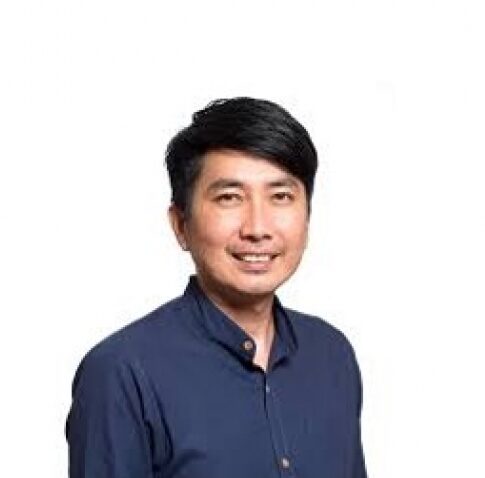
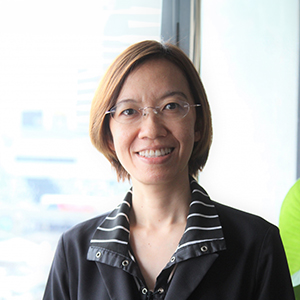
It provides the day-to-day management, coordination and technical support to the network under the direction of the SSC. Hosted by SEI in Asia, it supports SUMERNET through its four components of SUMERNET 4 All: 1. Multi-stakeholder engagement. 2. Research for policy and practices. 3. Communications. 4. Effective management, network sustainability, and Monitoring and Evaluation (M&E).
-
Programme Director
-
Gender Equality Advisor
-
Centre Director
-
Component 3 (Communications) Coordinator
-
Component 1 (Multistakeholder Engagement) Coordinator
-
Component 2 (Research) Coordinator
Integrated Assessment Advisor
-
Component 4 (Project Management) Assistant

Component 3 (Communications) Officer

MTT Programme Manager





» Environment Policy
SUMERNET 4 All is presently drafting an “Environmental Policy for Researchers” that will be finalized and available on this website soon. Below are some excerpts from the latest version.
What is it?
SUMERNET is committed to the principles of environmental sustainability and the protection of the environment in all our activities. In this phase of SUMERNET 4 All, we are introducing an “Environmental Policy” that sets out measures by which the 15 selected research projects integrate environmental perspectives in their research and project activities and take actionable steps to make their activities more “environment-friendly”.
Purpose of this policy
S4A aims to a. make researchers become more aware of, and attempt to minimize, the negative impacts of research projects and activities on the environment b. reduce our contribution to pollution (air, water and CO2) c. improve our efficiency in the use of natural resources (e.g. energy, water, or paper).
S4A aims for continuous improvement to minimize the negative environmental impacts from all our activities through reducing consumption, saving energy or making energy-use more efficient, and minimizing waste and pollution.
» Contact
Collaborating with us
SUMERNET is open to organizations and individuals with an interest in contributing to sustainable development in the Mekong Region through knowledge-based policy engagement.
We welcome partners to serve in different capacities and participate in various activities, e.g. research project implementation, knowledge exchange and sharing, capacity building and mentorship, financial support, joint publications, and contributing to policy debates and public forums.

