POLICY AND PRACTICE
SUMERNET 20th Anniversary
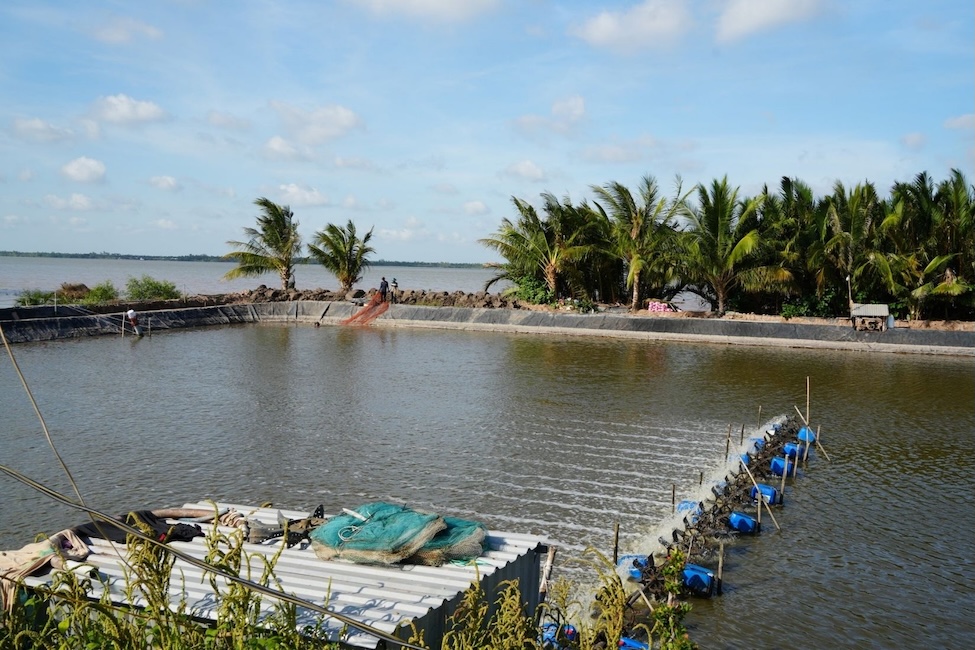
Since its inception in 2005, for two decades, SUMERNET has been a vital force at the intersection of science and policy, fostering a network of researchers, policymakers, civil society, media, young professionals and communities across the Mekong Region.
From successfully integrating community-based flood solutions into municipal policy in Thailand, supporting young media professionals to working across borders for flood management or catalyzing the establishment of the first River Basin Organization in Myanmar, these projects illuminate a legacy of real-world change.
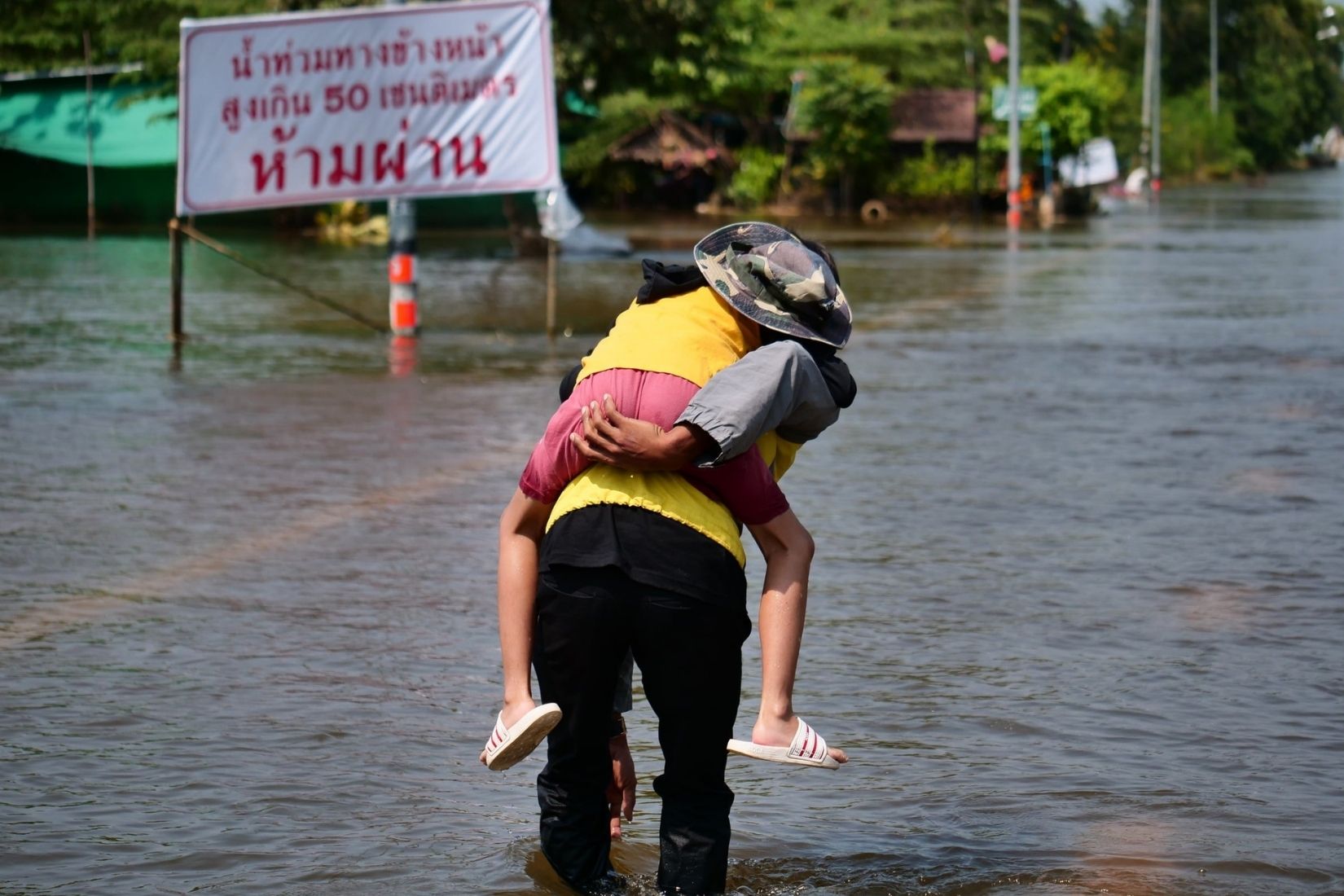
Ban Phai, Khon Kaen, Thailand
Successfully mainstreamed community-based solutions. The participatory flood risk management program was integrated directly into Ban Phai Municipality’s official policy, with allocation of flood management budgets from the Government of Thailand to support efforts to sustainably manage floods in the region by incorporating nature-based solutions.
Comparative study on national REDD+ strategy in Cambodia, Myanmar and Thailand (REDD+ in the Mekong)
The findings from the project’s knowledge outputs and technical papers directly fed into the national climate strategies that informed the development of the National REDD+ Strategy in Cambodia, Myanmar, and Thailand.
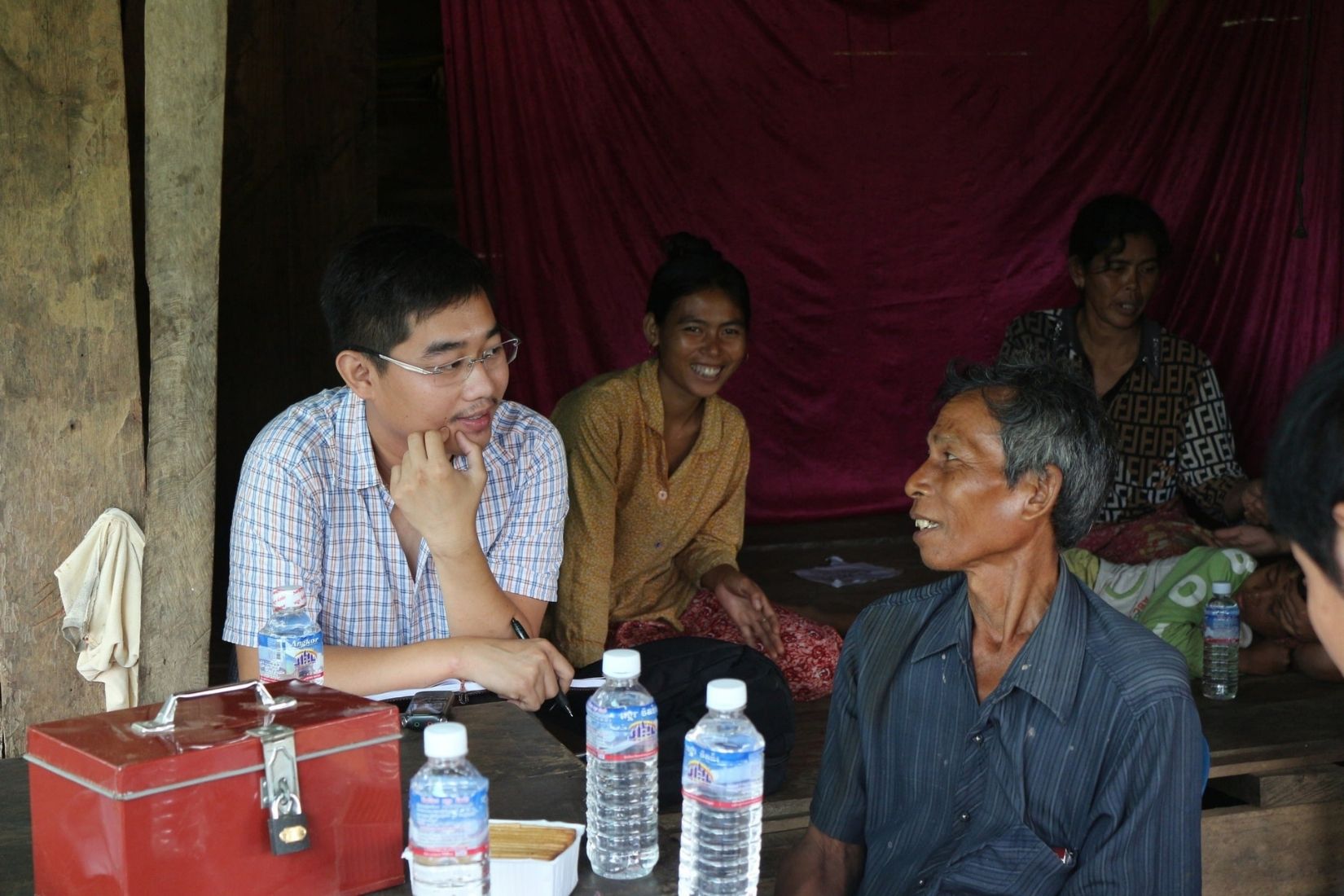
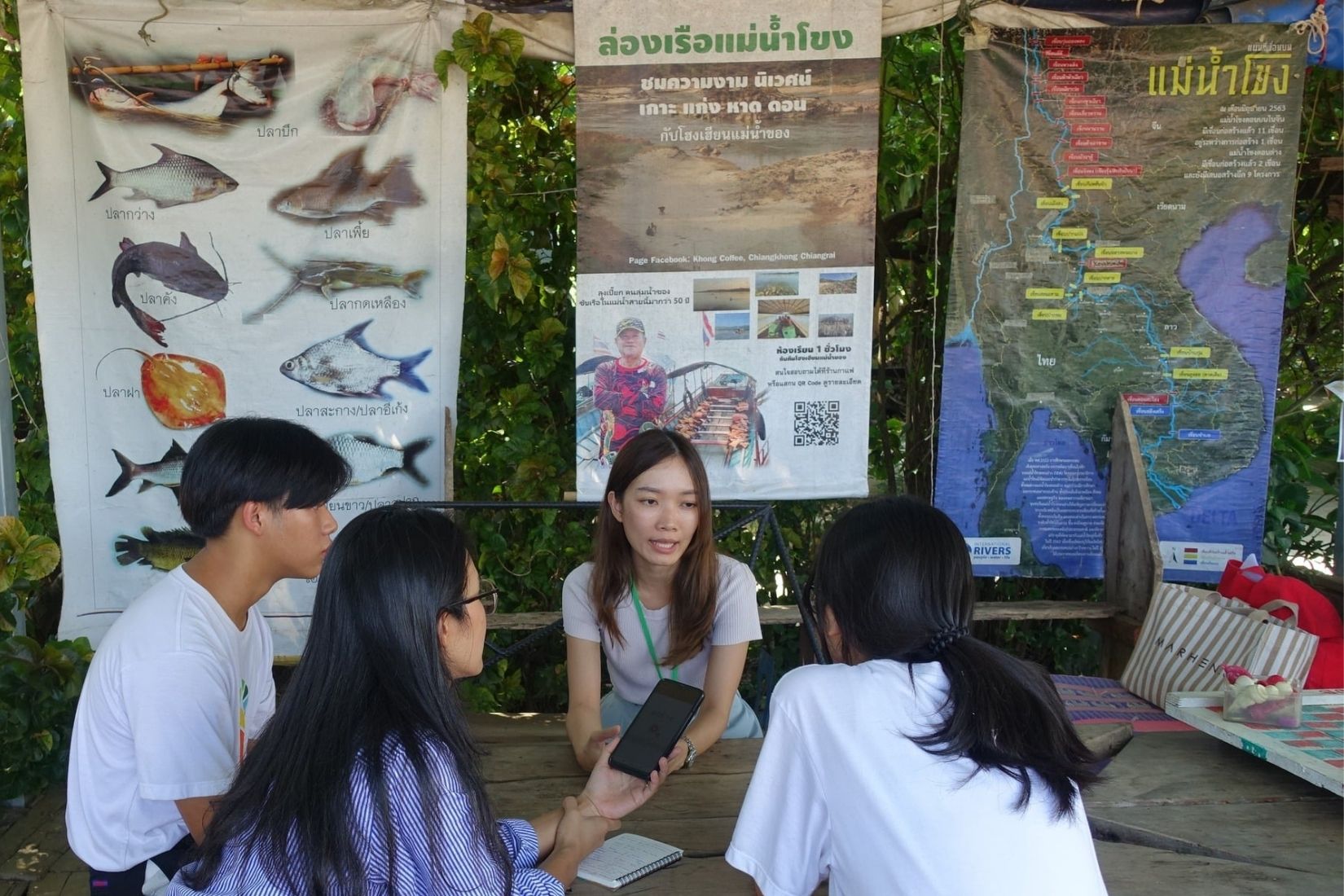
SUMERNET Young Professionals (SYP) in the Mekong Region
Cultivated the next generation of regional leaders by providing a dedicated platform for young professionals to network, develop skills, and grow their careers, and build the future generations of environmental leadership.
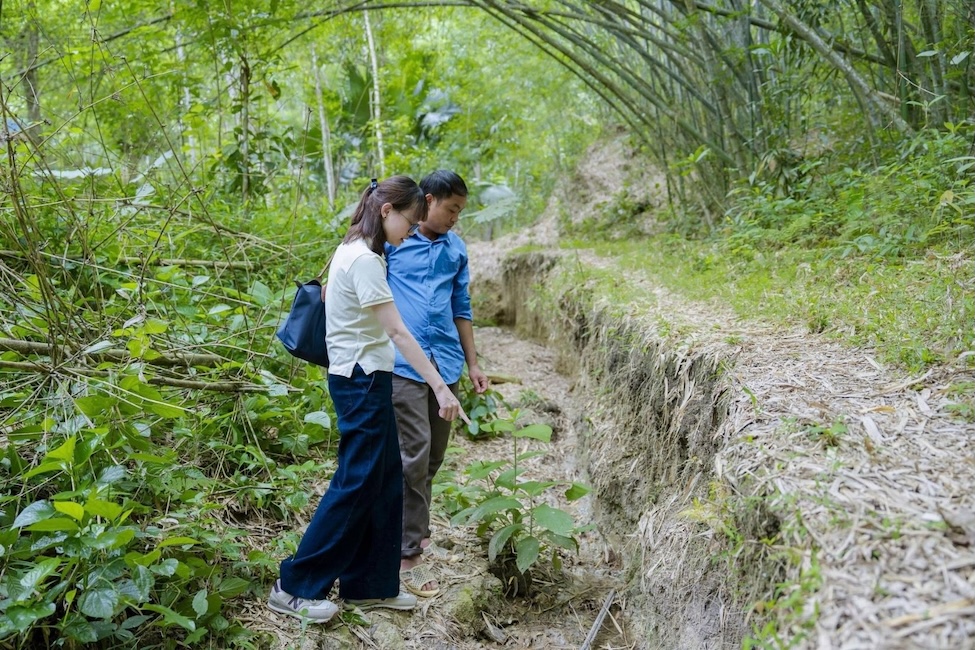
Promote equitable sharing of water resources for ethnic minority communities living downstream of small hydropower projects through collaboration among the community, businesses, and the state in Vietnam (SHARE-WREM)
Achieved tangible gains in water equity: the project secured more equitable water access for ethnic minority communities downstream
of hydropower projects in Vietnam, using a gender-sensitive approach that ensured women’s participation.
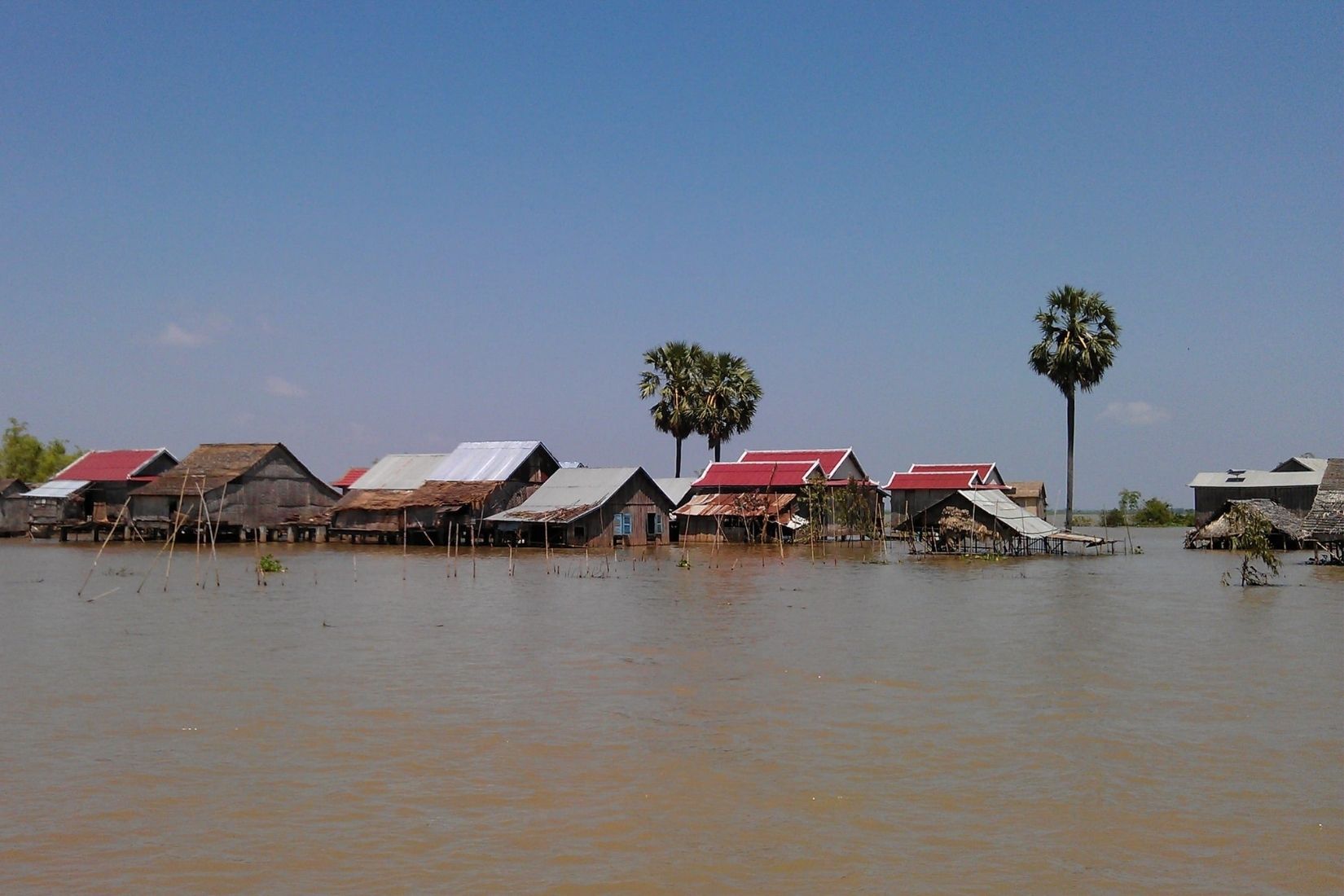
Reducing flood risks for local communities along the Cambodia-Vietnam border
Empowered local communities in flood-prone border areas with data and tools like the Livelihood Vulnerability Index (LVI), enabling them to better understand risks and protect their lives and livelihoods.
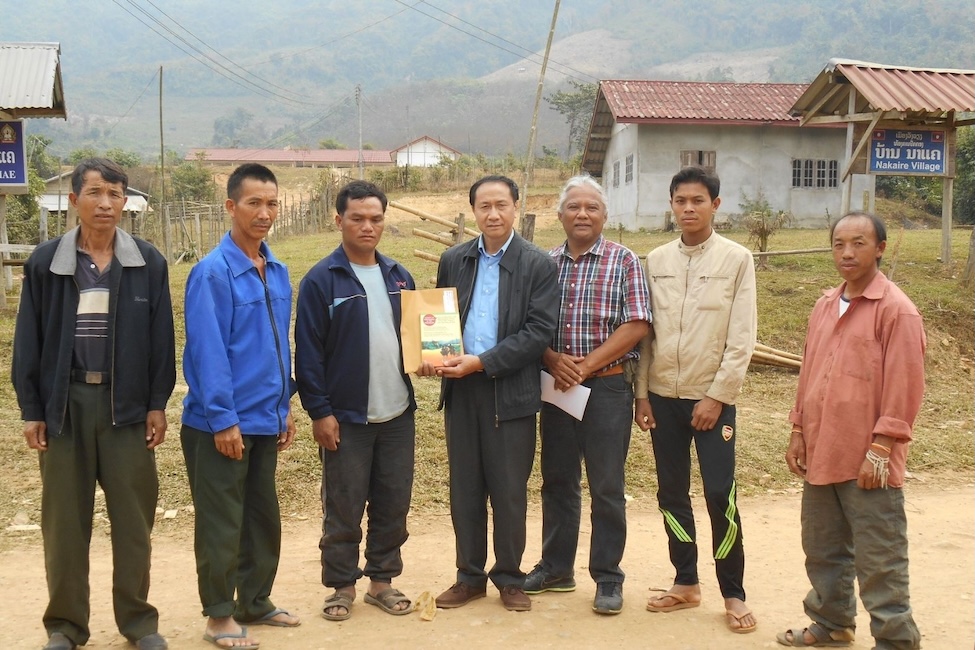
Impact of urban expansion on rural hinterland and local responses in the Mekong Region: A study in Khon Kaen, Thailand, and Vang Vieng, Lao PDR
Informed more inclusive and sustainable urban planning in Khon Kaen and Vang Vieng by documenting community responses to urban expansion, providing an evidence base for policy decisions.
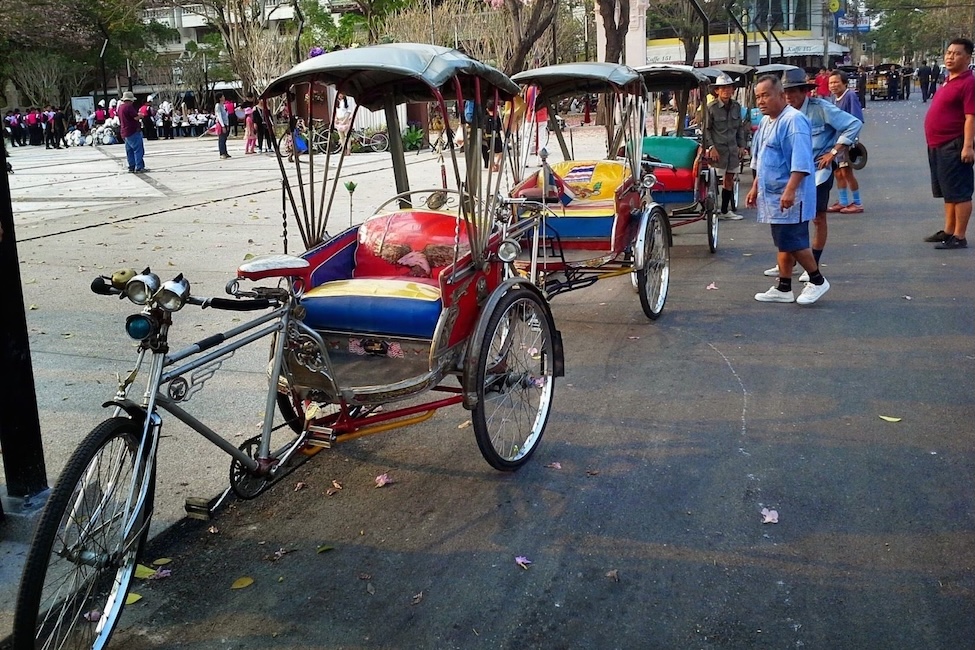
Sustainable urban tourism through low carbon initiatives: Experiences from Hue and Chiang Mai
Directly influenced local policy in Chiang Mai and Hue. The city used the project’s carbon accounting findings to improve its Non-Motorized Transport (NMT) system, reducing tourism-related CO2 emissions.
Evaluation of Pilot Program on Payment for Forest Environmental Services in Vietnam: Implications for Lao PDR and Cambodia
Provided critical evidence that shaped national policy in Cambodia, Laos and Vietnam, contributing to the national legal framework for Payment for Forest Environmental Services (PFES).
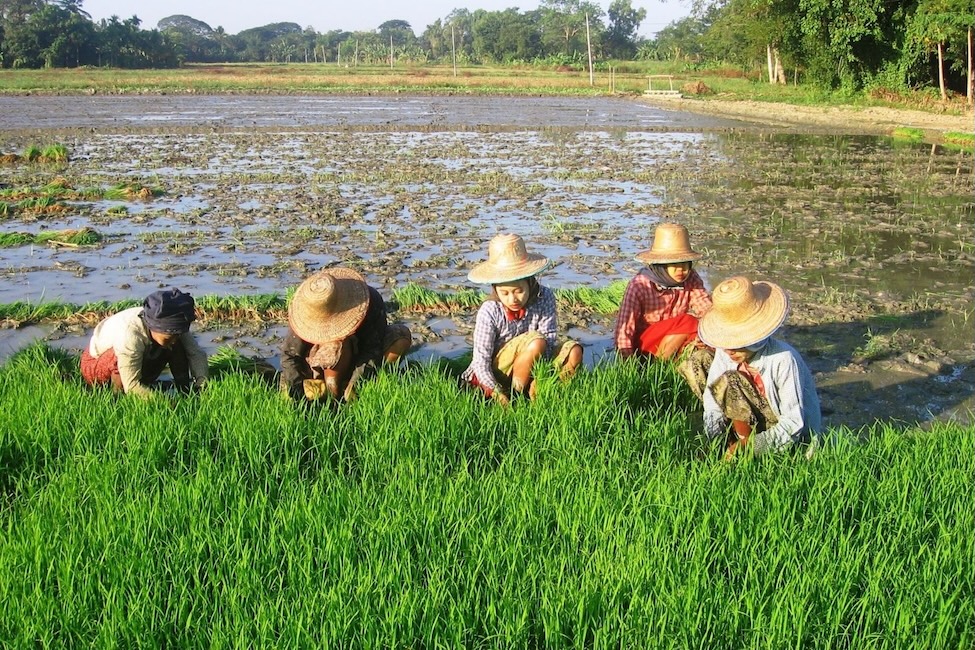
Making economic integration work for the rural poor through contract farming practices in Cambodia, Lao PDR, Thailand, and Myanmar
Translated research into policy change: the project’s findings led to more inclusive contract farming schemes, directly enabling poorer farmers to participate in, and benefit from, formal agricultural markets.
Communicating water-related climate change risks to improve local adaptation in the deltas of the Mekong Region
Bridged the gap between communities and decision-makers in the deltas, facilitating knowledge exchange on climate risks that led to the development of more effective and gender-sensitive water policies.