
Identifying Barriers to Sustainable and Inclusive Groundwater Use for Marginalized Rural Communities in the Mekong Region
This project investigates barriers to sustainable groundwater use among marginalized rural communities in Lao PDR and Cambodia, focusing on agricultural livelihoods, equitable water access and policies to improve water security and reduce poverty.
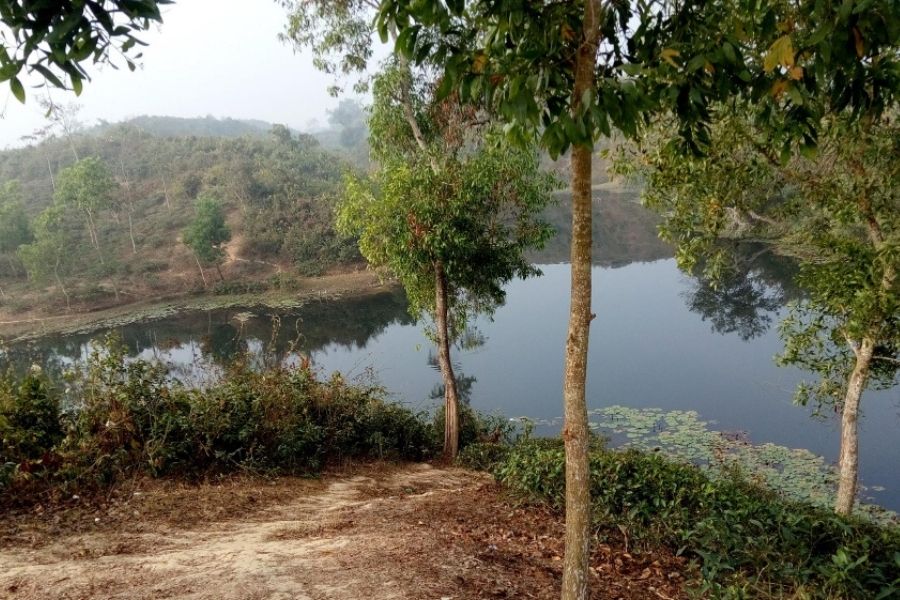
Identifying barriers to sustainable and inclusive groundwater
Abstract
Groundwater has received some attention in recent years but still must feature more prominently in deliberations and actions geared towards major challenges associated with sustainable development and climate change. This proposed research is premised on the hypothesis that groundwater can play an important role in offsetting water insecurity and alleviating poverty in the Mekong region. Groundwater would provide security and add value for communities situated remote from reliable surface water, particularly due to the extended nature of the dry seasons and growing impacts from climate change in the region. There is likely to be good potential to harness the livelihood-improving benefits of agricultural groundwater use for smallholder farmers, including the most marginalized and socially vulnerable groups according to current knowledge of groundwater systems in the Mekong and development experience from other regions. Achieving this is contingent upon the formulation and adoption of appropriate policies sensitive to gender and equity.
Working across Lao PDR and Cambodia, two Least Developed Countries where the needs for groundwater for agricultural development are great, case study sites would be identified in prospective areas where the groundwater potential appears favorable and the actual or potential demand for groundwater by local communities is strong. Operationally, the proposed project would run for 24 months, divided into a 4-month inception phase followed by a 20 month implementation phase. The implementation phase involves activities geared around understanding the situation and needs in detail, validating priority issues/opportunities and preparing/disseminating recommendations for policy, implementation strategies and future research. The preceding inception phase is designed to initiate interactions with project and boundary partners, and fine tune plans and study sites. The project would be participatory in nature, working with various local community groups (including marginal groups) and authorities.

