
Empowering Civil Society and Governmental Agencies to Mainstream Biodiversity and Ecosystem Service Values into Development Plans for the Chindwin River Basin, Myanmar
This project strengthens the capacity of civil society and government agencies to integrate biodiversity and ecosystem service values into development planning, supporting sustainable natural resource management and informed policy decisions.
Sample Chindwin – 1 (3)
Project period: 1 April 2017 – 31 March 2019 (2 years)
Project location: Chindwin River Basin, Myanmar
Project Objectives
- Build the capacity of civil society and government agencies to assess potential impacts of development and climate change on biodiversity, ecosystem services, and livelihoods.
- Mainstream biodiversity and ecosystem service values in policies and plans.
- Raise public awareness of biodiversity conservation.
Project Outcomes
- Potential impacts of selected development plans, including mining, logging, hydropower, agriculture, navigation and transportation, and climate change, on biodiversity, communities, and livelihoods in the Chindwin Basin are quantified and demonstrated.
- The capacity of civil society groups and government agencies is built to value biodiversity and ecosystem services and assess potential impacts of development plans and climate change on biodiversity, communities, and livelihoods.
- Government policy and planning processes in the Chindwin Basin are positively influenced through direct engagement and policy dialogue with key stakeholders. This includes mainstreaming biodiversity and ecosystem service values into selected government policies and plans, such as MONREC’s National Biodiversity Strategy and Action Plan for areas in the Chindwin Basin, the Environmental Impact Assessment (EIA) procedures and biodiversity monitoring programmes of the Environmental Conservation Department (ECD), and future implementation plans developed through the Chindwin River Basin Organization (RBO).
- Public awareness of biodiversity conservation, ecosystem service values, and sustainable development increases through direct engagement with local and international media.
Project Approach
- Identify civil society and government target groups through stakeholder mapping, considering expertise, relevant geography, potential for growth, and experience in planning processes. Assess their needs and priorities at the beginning of the project and build their capacity through knowledge exchange and training workshops. Engage target groups throughout key activities, including policy and planning analysis, field surveys, baseline and impact assessments, and integration of results and recommendations into relevant policies and plans. This engagement will demonstrate assessment methods, guidelines, and tools for evaluating the impacts of development and climate change on biodiversity, communities, and livelihoods, while strengthening understanding and capacity.
- Identify best-practice frameworks, such as payment for ecosystem services (PES) and natural capital, as well as guidelines and tools for valuing biodiversity and ecosystem services and assessing development and climate change impacts. This will be done through literature reviews and expert meetings. Collect assessment data from existing projects and studies in the Chindwin Basin and from field surveys. Select three priority sites through issue-based considerations, such as mining, logging, and hydropower, and stakeholder consultations. Conduct biodiversity inventories and livelihood surveys at the selected sites to inform baseline and impact assessments.
- Use assessment findings in stakeholder consultations to discuss key results and alternative development scenarios that could reduce negative impacts. Continue using the Chindwin RBO as a main mechanism to engage relevant stakeholders, share project information and knowledge, provide recommendations, and support the integration of biodiversity and ecosystem service values into policies and plans.
- Hold policy dialogues with key government agencies to contribute to and influence policies and plans. The project aims to engage with MONREC’s National Biodiversity Strategy and Action Plan for areas in the Chindwin Basin, EIA procedures and biodiversity monitoring programmes of the ECD, and future implementation plans developed through the Chindwin RBO.
- Engage continuously with local and international media through key events and outreach materials, including films, multimedia, and news articles. These activities will share project findings, raise public awareness of biodiversity conservation, and strengthen connections between local concerns and knowledge, science, and policy.
Recorded timeframe: 5 June 2017 – 5 June 2017
Related Stories
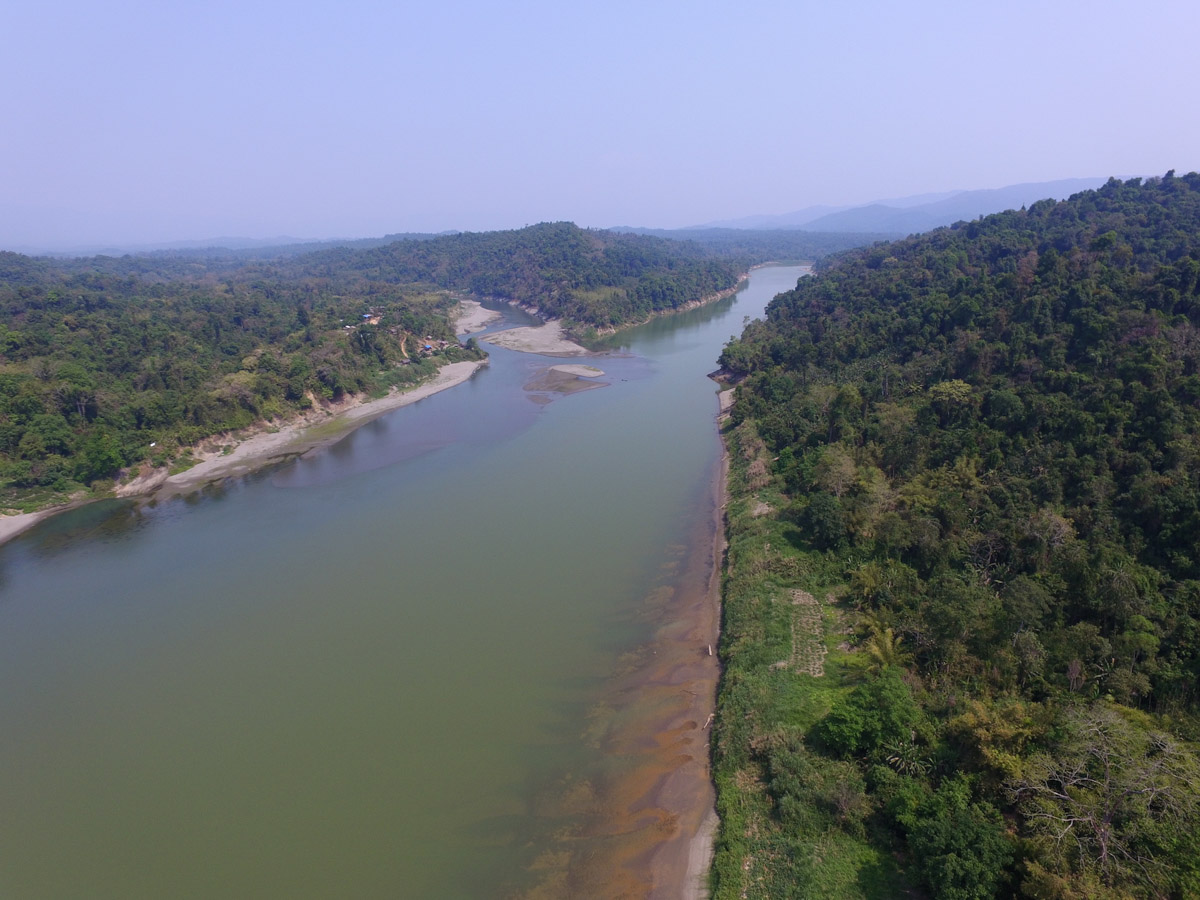
“Saving Chindwin’s Biodiversity” gives the perspectives of the people living in the basin who talk about their lives and livelihoods, the threats to the natural resources such as from mining, and their ongoing efforts to urgently protect the basin’s natur
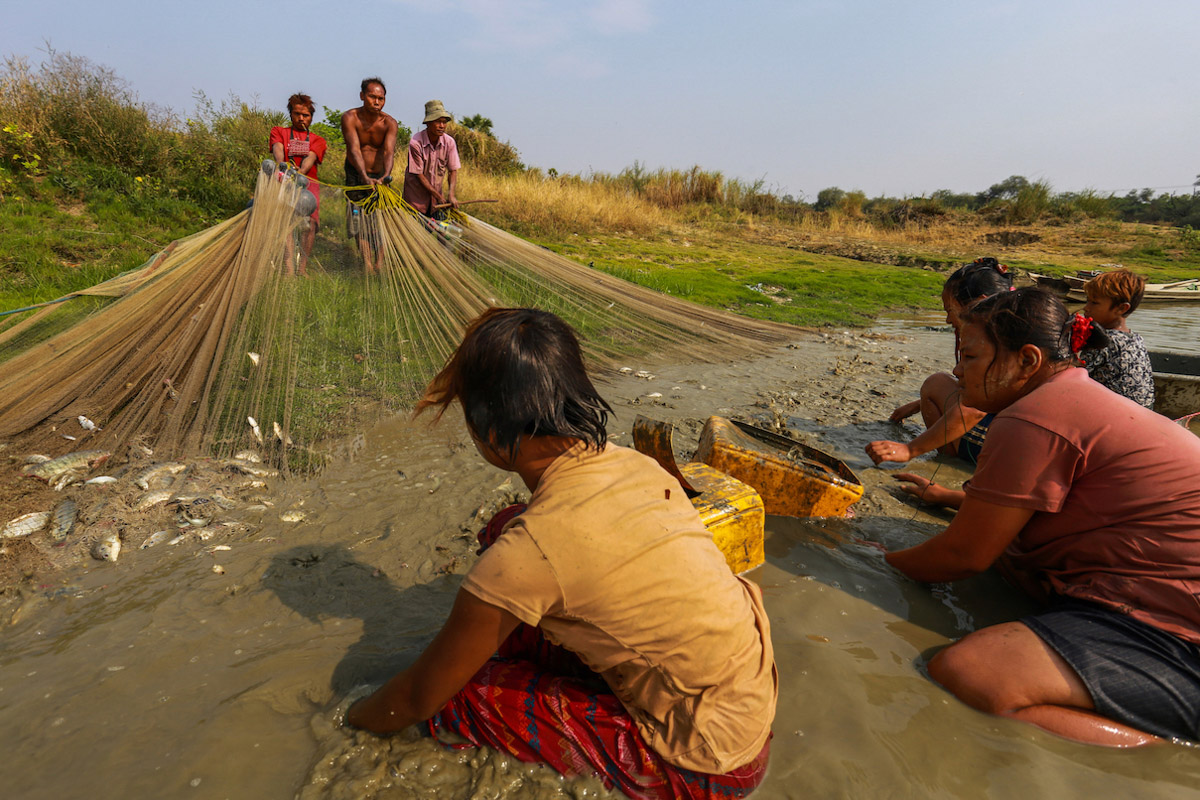
SEI scientists say Myanmar’s rapid economic development threatens the Chindwin Basin’s flora and fauna and the local livelihoods dependent on these resources. Implementing a host of conservation measures can save these valuable natural resources.
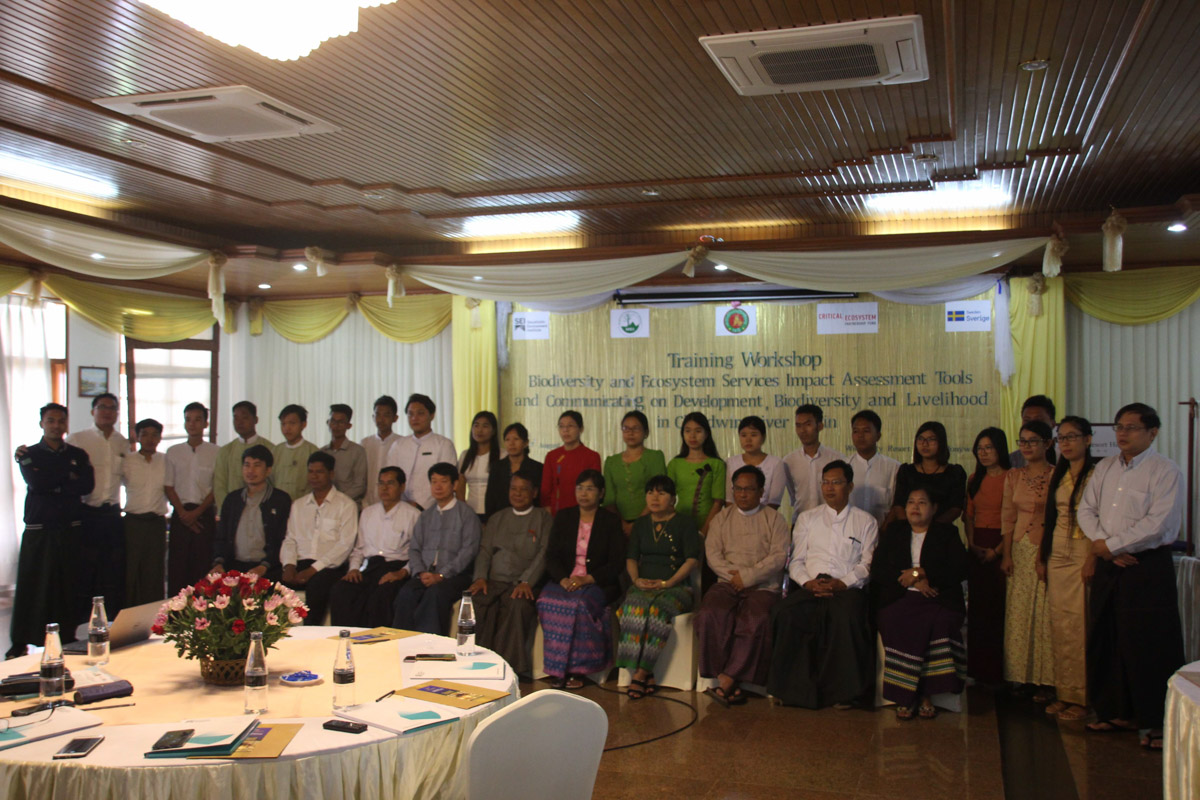
SEI organized a biodiversity assessment training workshop on 15-16 August 2018. The participants included government organizations, academics and civil society. The aim of the workshop was to build the capacity of participants using tools such as QGIS and

