Chindwin Basin Biodiversity Faces Serious Threats, Urgent Conservation Measures Needed, Say SEI’s Scientists
SEI scientists say Myanmar’s rapid economic development threatens the Chindwin Basin’s flora and fauna and the local livelihoods dependent on these resources. Implementing a host of conservation measures can save these valuable natural resources.
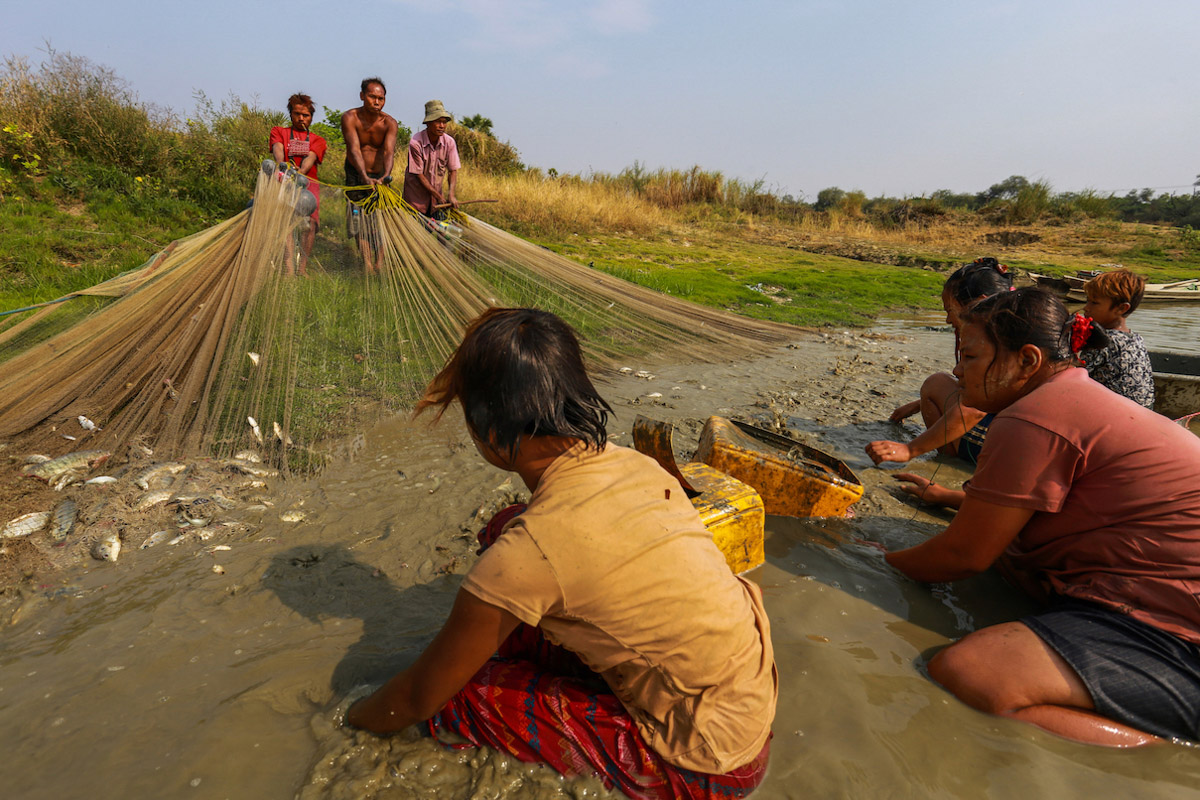
3_20190618_01
The Chindwin Biodiversity and Ecosystem Services (CBES) study, a two-year assessment by Stockholm Environment Institute (SEI), found that the Chindwin Basin’s rich biodiversity is under threat from mining, roads, logging, plantations, and the expansion of both urban and agriculture areas. Most threatening is the basin’s unregulated and environmentally destructive mining operations that are contaminating tributaries and lakes, as well as polluting the main stem of the Chindwin River.
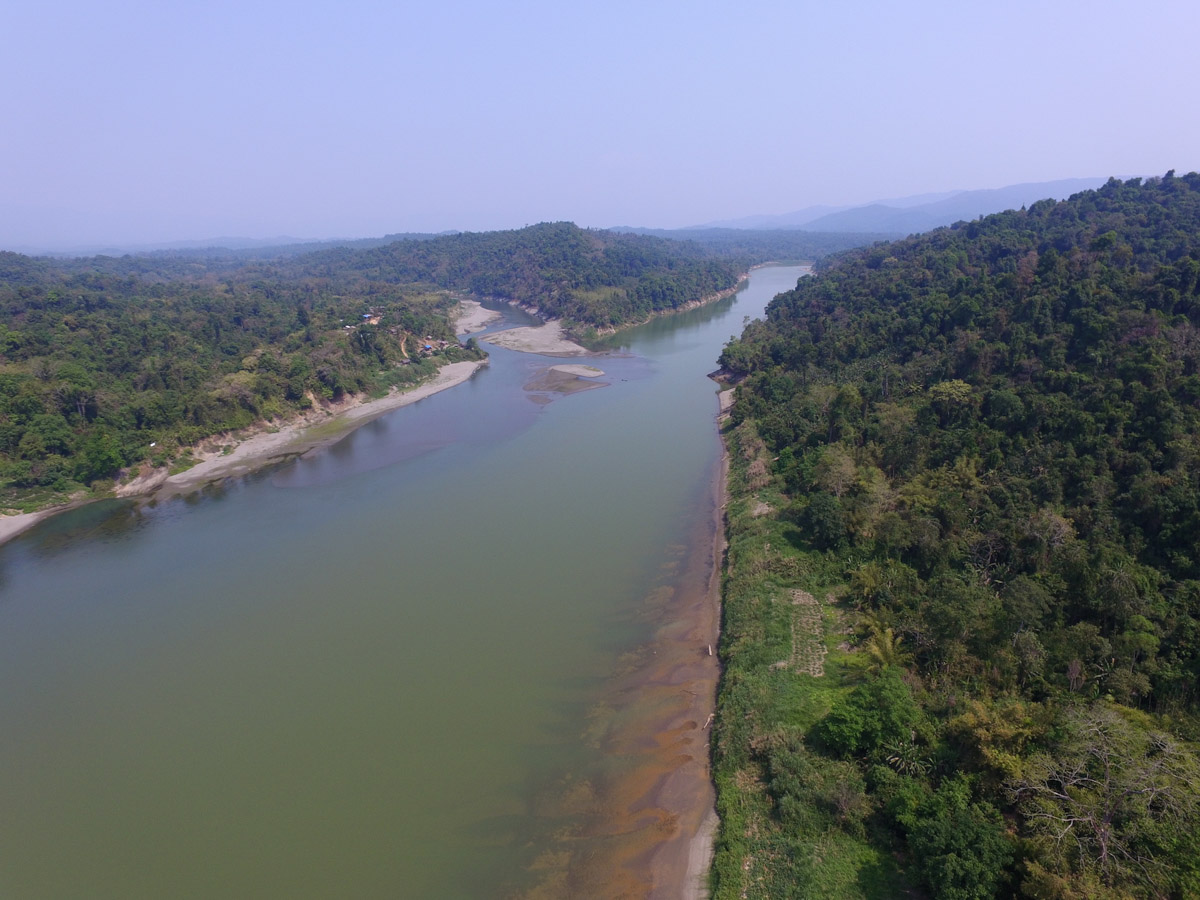
Unlike its neighbours in the Mekong Region, Myanmar still possesses an abundance of biodiversity. The Chindwin Basin, in particular, contains an astonishing wealth of biological diversity within its 114,000 square kilometres. The CBES study found almost two-thirds of the basin is still covered in dense forest that sustains diverse ecosystems ranging from upland rainforests to riverine lowlands and seasonally flooded wetlands.
Read More
Watch the Short Film
Saving the Chindwin’s Biodiversity