Comparative Study on National REDD+ Strategy in Cambodia, Myanmar and Thailand (REDD+ in the Mekong)
This project compares national REDD+ strategies in Cambodia, Myanmar and Thailand, examining forest governance, climate mitigation policies and opportunities for regional cooperation in sustainable forest management.
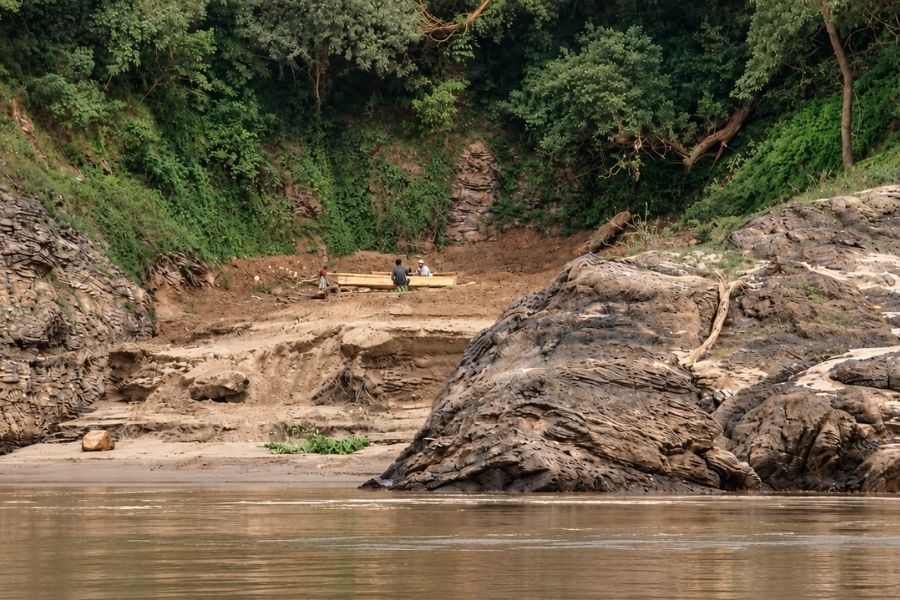
Comparative study on national REDD+ strategy
The Warsaw Framework for Reducing Emissions from Deforestation and Forest Degradation (REDD+), adopted at COP19 of the UNFCCC, requires participating countries such as Cambodia, Myanmar, and Thailand to develop national policies and measures for REDD+ implementation.
To complete their national REDD+ strategies, participating countries need to provide information on key topics, including safeguards, grievance mechanisms, benefit-sharing mechanisms, drivers of deforestation and forest degradation, measurement, reporting and verification (MRV), monitoring, and national REDD+ funds.
This research project compares the processes, challenges, and opportunities that Cambodia, Myanmar, and Thailand have faced or may face in developing their national REDD+ strategies.
Research Questions
- How can Cambodia, Myanmar, and Thailand ensure that their national safeguards frameworks address potential REDD+ social and environmental risks while taking national sovereignty and legal contexts into account?
- What factors should the three countries consider when establishing effective, efficient, and equitable national REDD+ grievance mechanisms?
- To what extent do stakeholders in the three countries view REDD+ as a mechanism that can empower forest-dependent communities to have greater influence on local land-use policy and practice?
Objectives
- Social and environmental safeguards: Document lessons on gaps between the legal contexts of the three countries and the safeguard and Safeguards Information System requirements adopted under the UNFCCC, particularly the Cancun Agreements and the Warsaw Framework on REDD+. The research team will also explore the potential social and environmental impacts, including gender considerations, of more elaborate and minimal safeguards information system designs in the three countries.
- Grievance mechanisms: Compile criteria identified by stakeholders in Cambodia, Myanmar, and Thailand as important for establishing effective, efficient, and equitable national REDD+ grievance mechanisms.
- Impacts of REDD+ interventions: Document cases showing how REDD+ readiness processes have empowered or disempowered forest-dependent communities, including in relation to gender, and affected their influence on local land-use policy and practice.
Methodology
The study uses qualitative comparative analysis, including key informant interviews, observations of REDD+ policy processes, and extended archival research. Stakeholders will be grouped by their engagement in REDD+ policy processes at the international, national, and local levels, and categorized as governmental bodies, non-governmental organizations, Indigenous Peoples and local groups, private-sector actors, or academic and research institutions.
Key Informant Interviews
Each country team will aim to conduct up to 80 in-person, semi-structured interviews with stakeholders from the different groups.
Participant Observation
In addition to collecting individual accounts, the research team will observe how stakeholder groups engage in REDD+ policy dialogues and processes. This will help the team understand how stakeholders are included or excluded from the arrangements and processes through which policies and measures are developed and examined in the three countries.
These arrangements generally include:
- National Climate Change Committee
- REDD+ Advisory Group
- REDD+ Taskforce
- REDD+ Taskforce Secretariat
- Technical teams and/or working groups
Expected Policy Impacts
Researchers will work closely with REDD+ coordination arrangements in the three countries. For example, representatives from government and non-government institutions were consulted during the development of the original concept note and full proposal, particularly on questions they considered important for a national REDD+ strategy.
This participatory approach will keep stakeholders informed as the research progresses and help ensure that the findings are credible and relevant. The project will also use national and local meetings, conferences, and training events to raise awareness of REDD+ and invite stakeholder feedback on how components of national REDD+ strategies, such as safeguards and grievance mechanisms, should be designed. Researchers will seek opportunities to present ongoing results at these events.
Timeframe
28 April 2015 – 28 April 2015
Pheakkdey Nguon
Department of International Studies Royal University of Phnom Penh Russian Federation Boulevard, Phnom Penh, Cambodia
Email: [email protected]
Related Stories
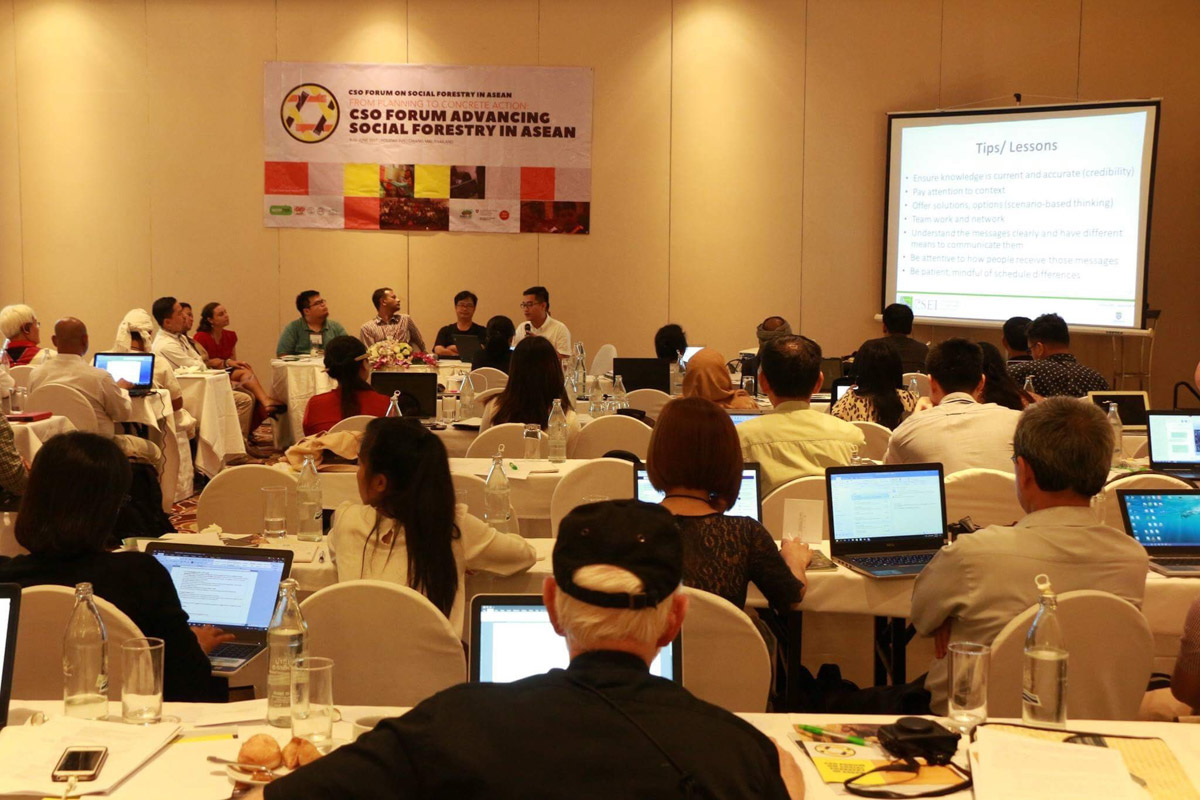
The objective of the 6th CSO Forum on Social Forestry was to continue being the platform to discuss, distil, consolidate, and elevate messages and learnings of CSOs and smallholders on Social Forestry, Climate Change and related topics and develop concret
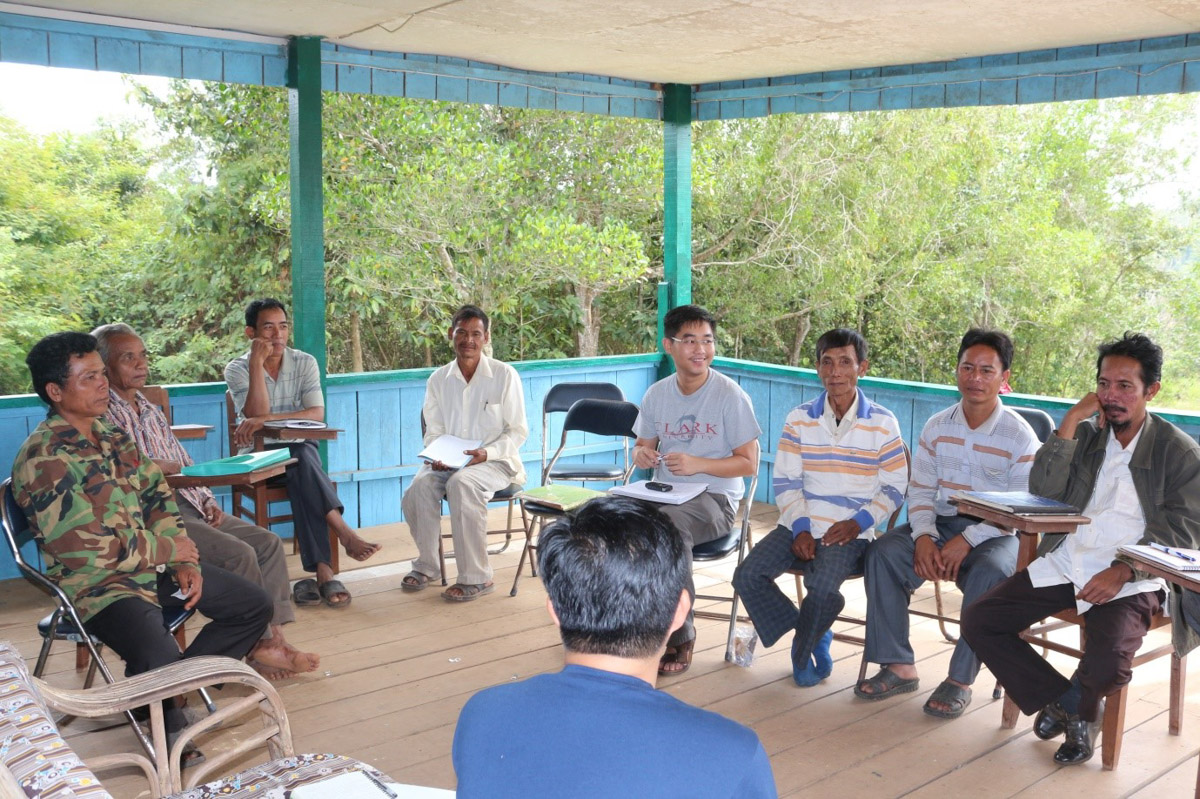
The SUMERNET research team working on REDD+ found that technical inputs needed for strategy development are lacking.
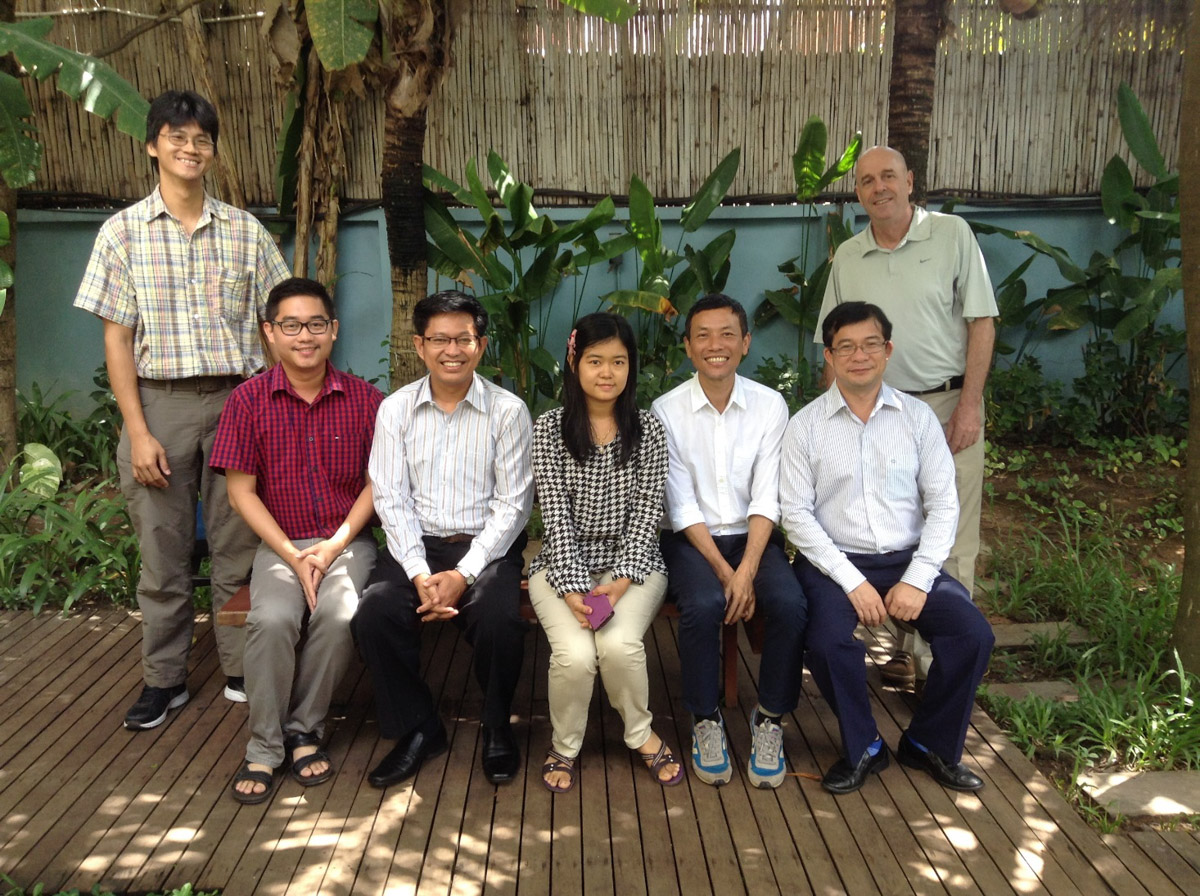
As of June 1, 2015, the REDD+ team has conducted over 50 interviews and attended more than 20 policy observations. All three teams have also been collecting, collating and analyzing archival materials including past and current policies, laws and regulati