Strengthening Pathways for Rights-Based Livelihood Adaptation in Mekong Hydropower
On the occasion of World Water Day on March 22, Diana Suhardiman writes about exploring a “rights-based approach” to Mekong hydropower development
184_20210322_02
Diana Suhardiman is a researcher with the project “Strengthening Pathways for Rights-Based Approaches in Mekong Hydropower,” funded by the Sustainable Mekong Research Network (SUMERNET).
This article appeared in the Bangkok Tribune for World Water Day. Read the excerpt below and follow the link to read the full article.
Article Excerpt
Mekong hydropower is developing rapidly, albeit not without controversy. Presented as a key means to promote economic growth and reduce poverty, hydropower development is occurring at a fast pace across mainland Southeast Asia.
At present, 78 dams have been commissioned in the Mekong River Basin, with 33 under construction and 89 proposed or planned, in addition to those already in operation (WLE, 2018). Most of these dams are in Laos, where twelve are planned for the Mekong mainstream.
Laos embarked on its first hydropower dam project on the Mekong mainstream with the commissioning of the Xayaburi dam in April 2011. In addition to the operational Xayaburi and Don Sahong dams, Laos has proposed four more hydropower projects for the Mekong mainstream: Pak Beng, Pak Lay, Luang Prabang, and Sanakham.
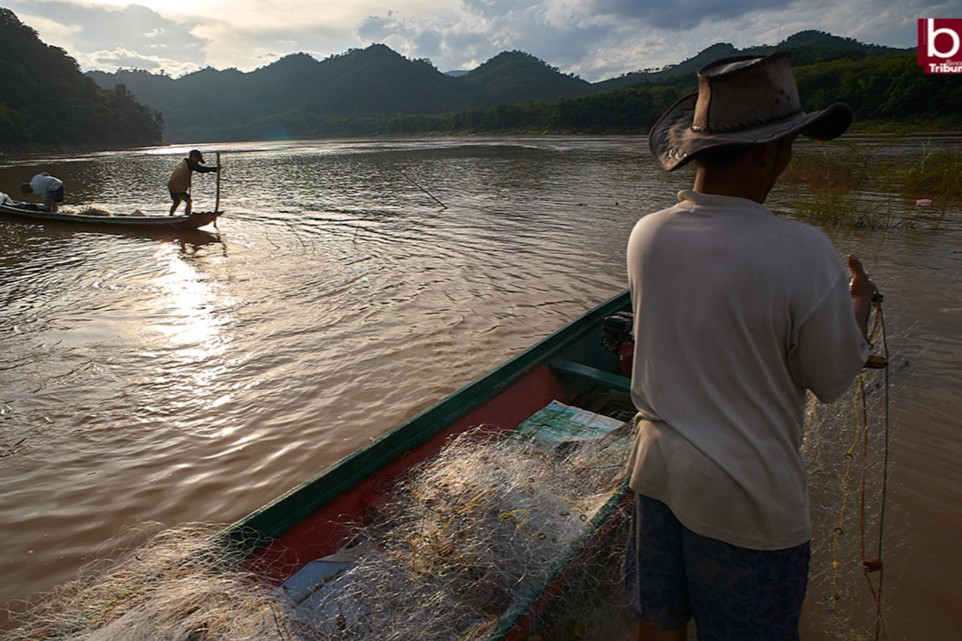
The construction of these mainstream dams will significantly affect national and regional fish migration, change the river’s flow regime, affect its biodiversity, and require local communities living along the river to transition and adapt their livelihoods. With a power generation capacity of 912 MW, the Pak Beng dam alone will affect 26 villages across Oudomxay, Bokeo, and Xayabury provinces, comprising 923 households and 4,726 people.
Balancing local communities’ need to adapt their livelihoods after hydropower dam construction with national socio-economic development strategies and regional economic integration is crucial for more inclusive and accountable development.
Read the full article: Strengthening Pathways for Rights-Based Livelihood Adaptation in Mekong Hydropower Development